Energy-efficient route
The catalog reports higher output and 30% lower energy consumption than the referenced jet-mill comparison under suitable conditions.
CRGM Series
Multi-stage ring-roller grinding, controlled recirculation and turbine classification for high-value fine mineral powder.
CRGM overview
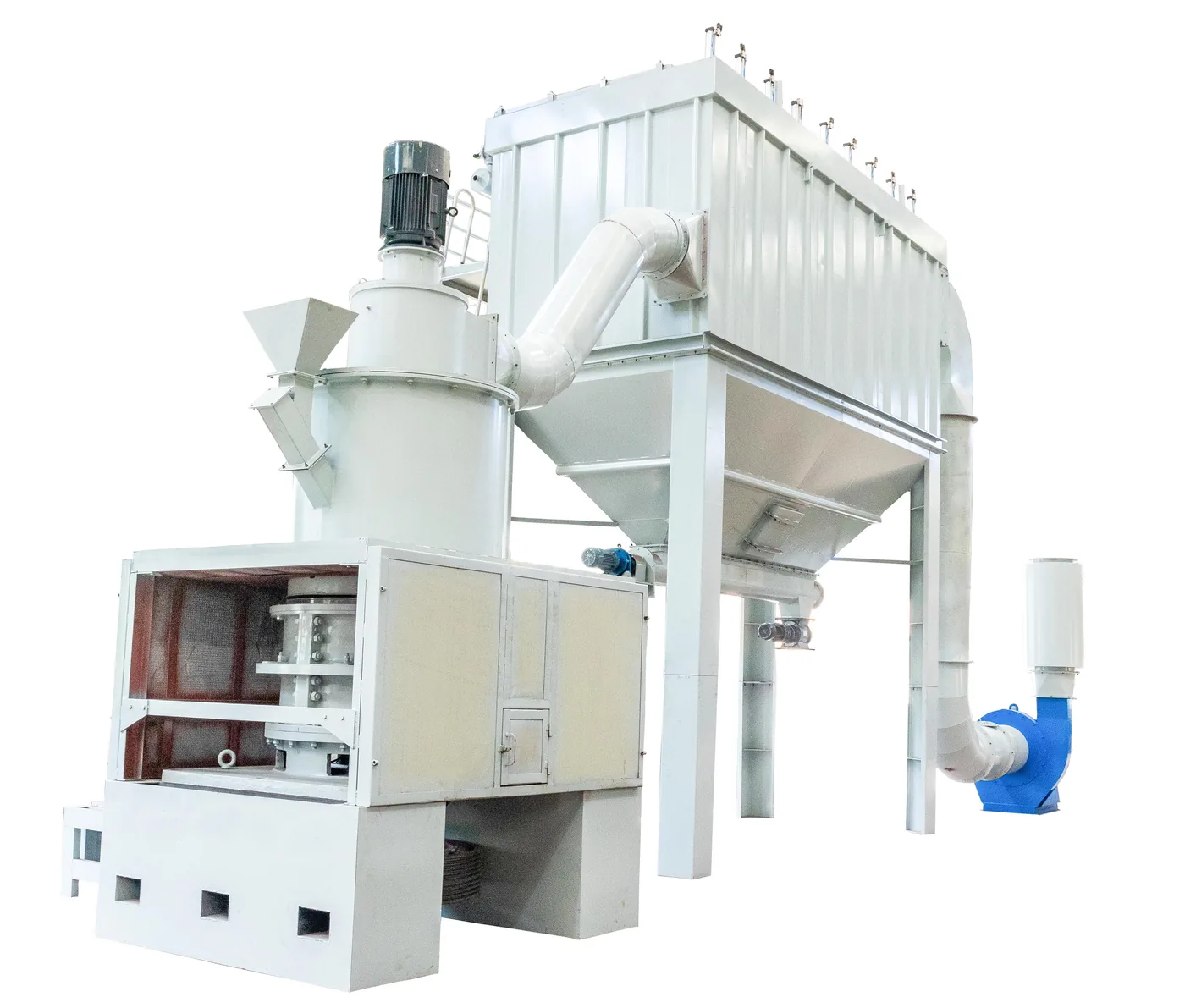
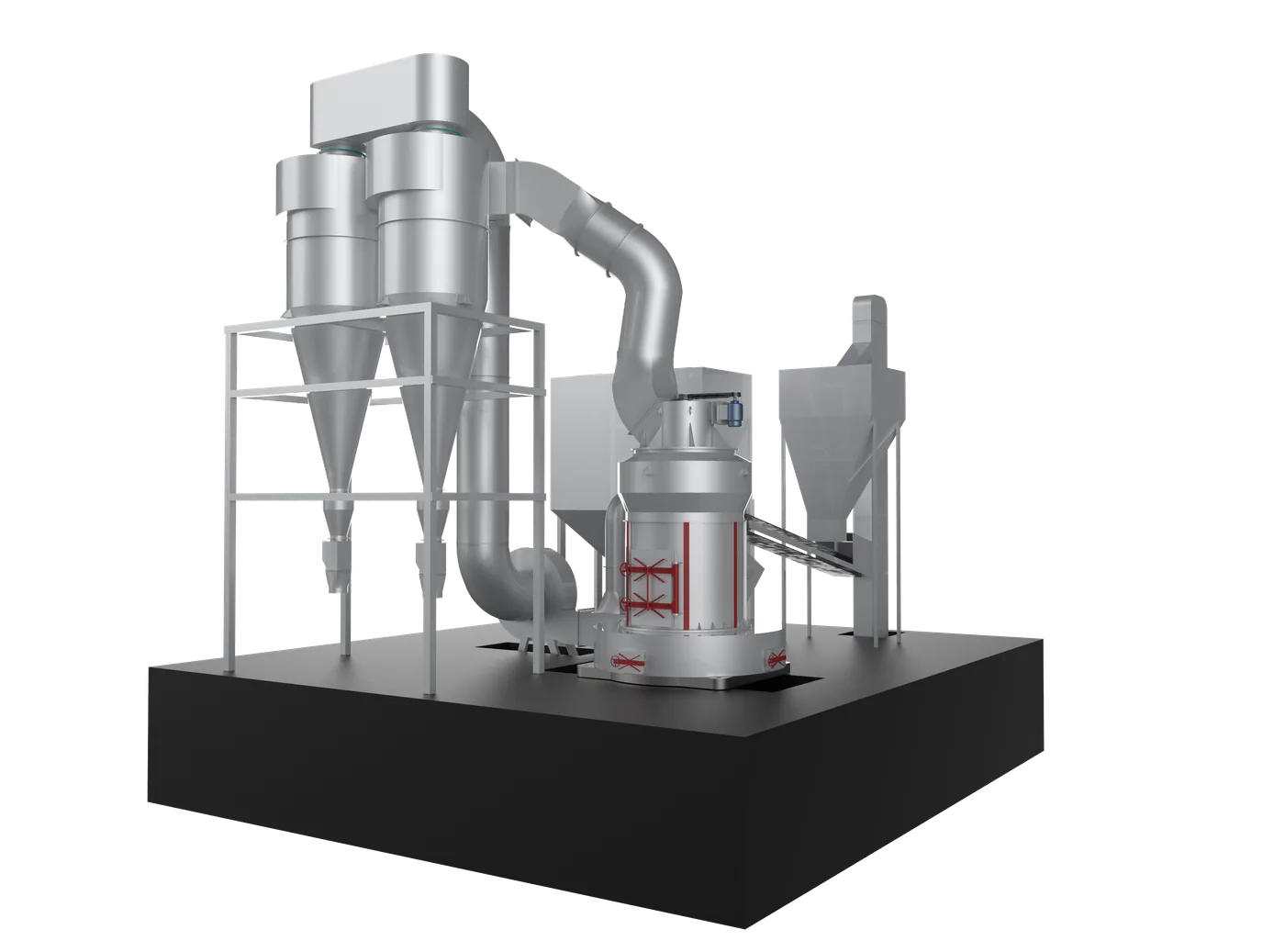
CRGM is developed for brittle materials generally below Mohs hardness 6. The complete standard circuit includes the main unit, classifier, double cyclone, pulse bag filter, blower, motor, piping and muffler.
Working principle
Controlled feedPre-crushed material enters the main mill and is distributed across the rotating grinding zones.
Layered ring-roller grindingMultiple turnplates drive rollers along fixed tracks, applying repeated compression and shearing.
Air classificationHigh-pressure airflow conveys powder to the turbine classifier; coarse particles return for further grinding.
Product collectionQualified fines pass through cyclone and pulse collection while the designed air circuit controls dust.
 CRONUS
Performance advantages
The catalog reports higher output and 30% lower energy consumption than the referenced jet-mill comparison under suitable conditions.
Specially selected forged roller and ring materials improve service life.
The vertical turbine classifier supports a sharp cut and reduces coarse-particle carryover.
Variable-frequency adjustment coordinates classifier speed, airflow and feed.
Sound insulation and muffler design limit operating noise transmission.
Cyclone and pulse filtration recover product while supporting a cleaner plant.
Technical parameters
Actual capacity varies with material properties and target distribution.
| Model | Ring diameter | Layers | Rollers | Feed | Finished size | Capacity | Total power |
|---|---|---|---|---|---|---|---|
| CRGM60 | 600 mm | 3 | 12 | ≤20 mm | 5-74 μm / 200-2500 mesh | 0.2-3 t/h | 101 kW |
| CRGM80 | 800 mm | 3 | 21 | ≤20 mm | 5-74 μm / 200-2500 mesh | 0.5-4.5 t/h | 143 kW |
| CRGM100 | 1000 mm | 4 | 28 | ≤20 mm | 7-74 μm / 200-2000 mesh | 1.8-5 t/h | 244 kW |
| CRGM125 | 1250 mm | 4 | 32 | ≤20 mm | 7-74 μm / 200-2000 mesh | 1.5-12 t/h | 401 kW |
The 300-3000 mesh window is a project target. Standard catalog ranges are shown above; finer configurations require sample testing.
Mill selection comparison
The correct route is determined by the finished powder specification, not by mill size alone.
Applications
CRGM is preferred when coatings, masterbatch, paper, rubber, engineered plastics, cosmetics or fine fillers require a low coarse-particle residue and controlled D97.
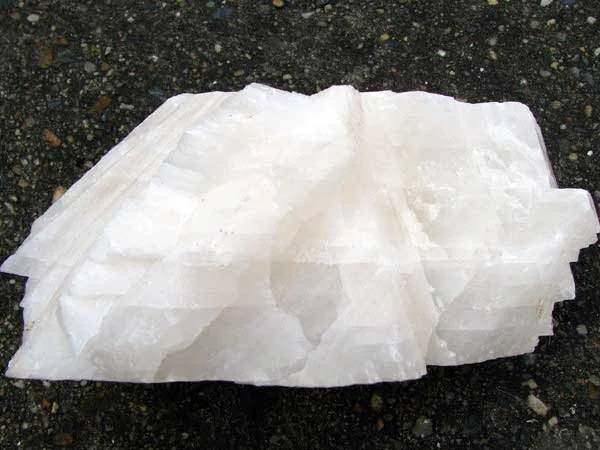
Coatings, plastic, rubber, paper and artificial marble fillers.
Building materials, desulfurization and general mineral filler.
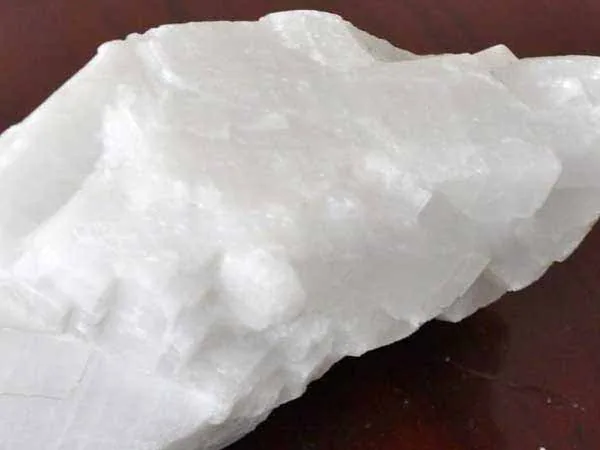
Glass, ceramics, metallurgy and construction fillers.
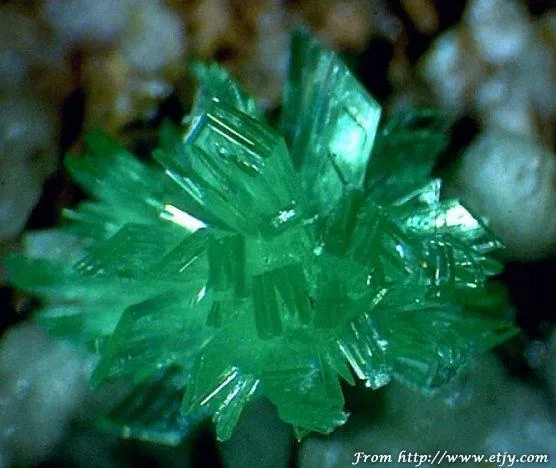
Drilling, high-density filler and coating applications.
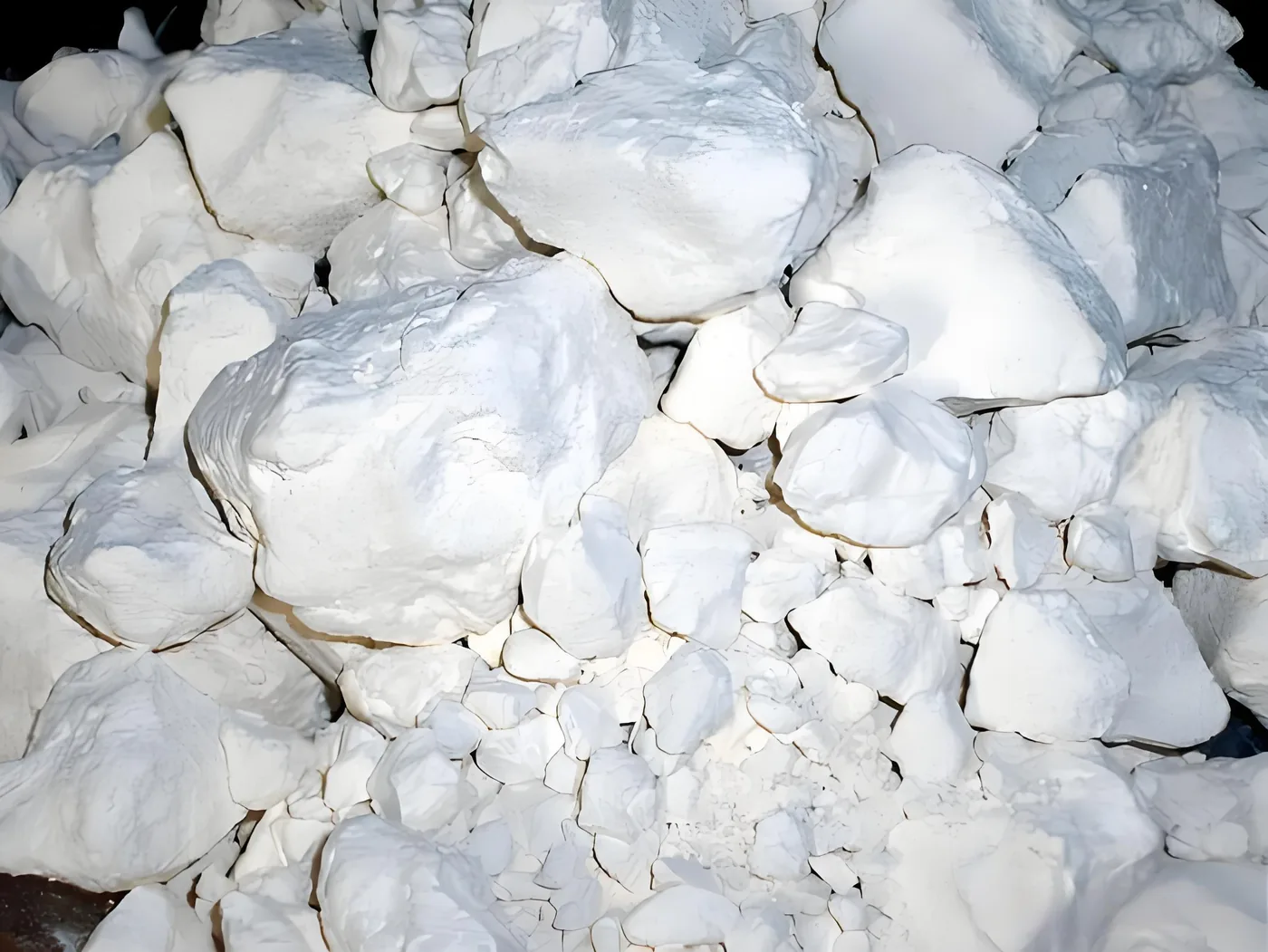
Ceramics, paper coating, rubber and paint.
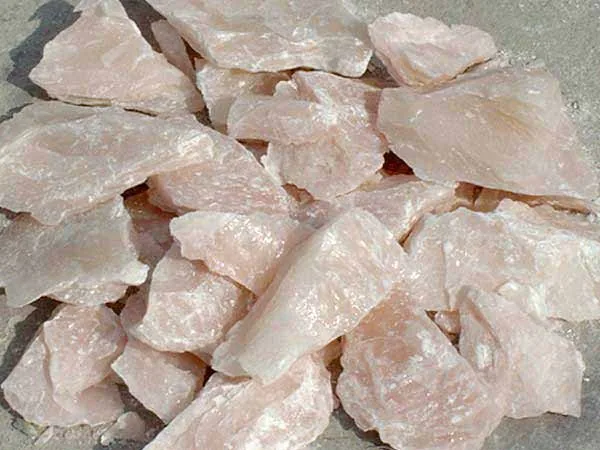
Plastic, coating, ceramic and cosmetic fillers.
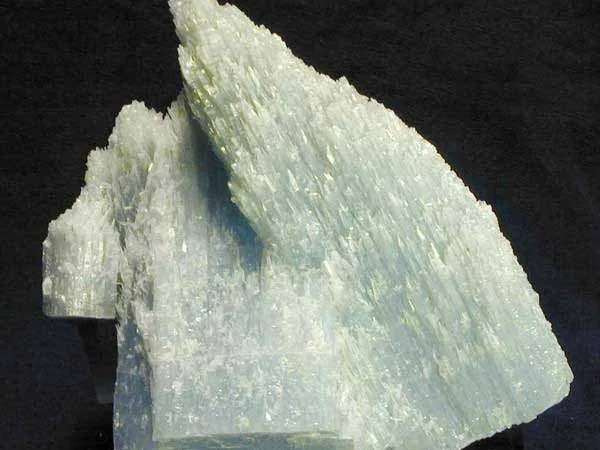
Wallboard, plaster, cement and industrial powder.
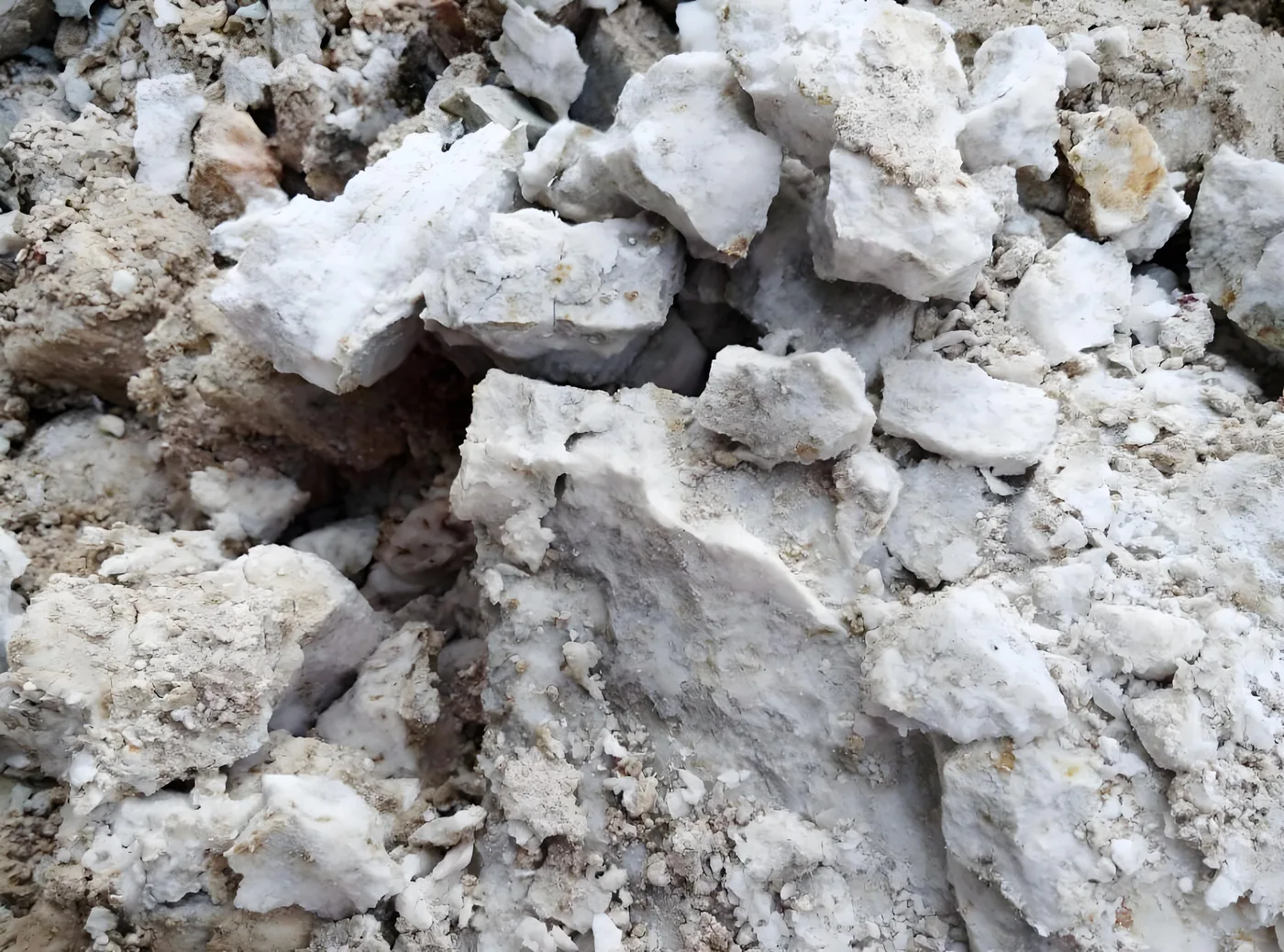
Foundry, drilling, pelletizing and absorbent products.
Cases and customer sites
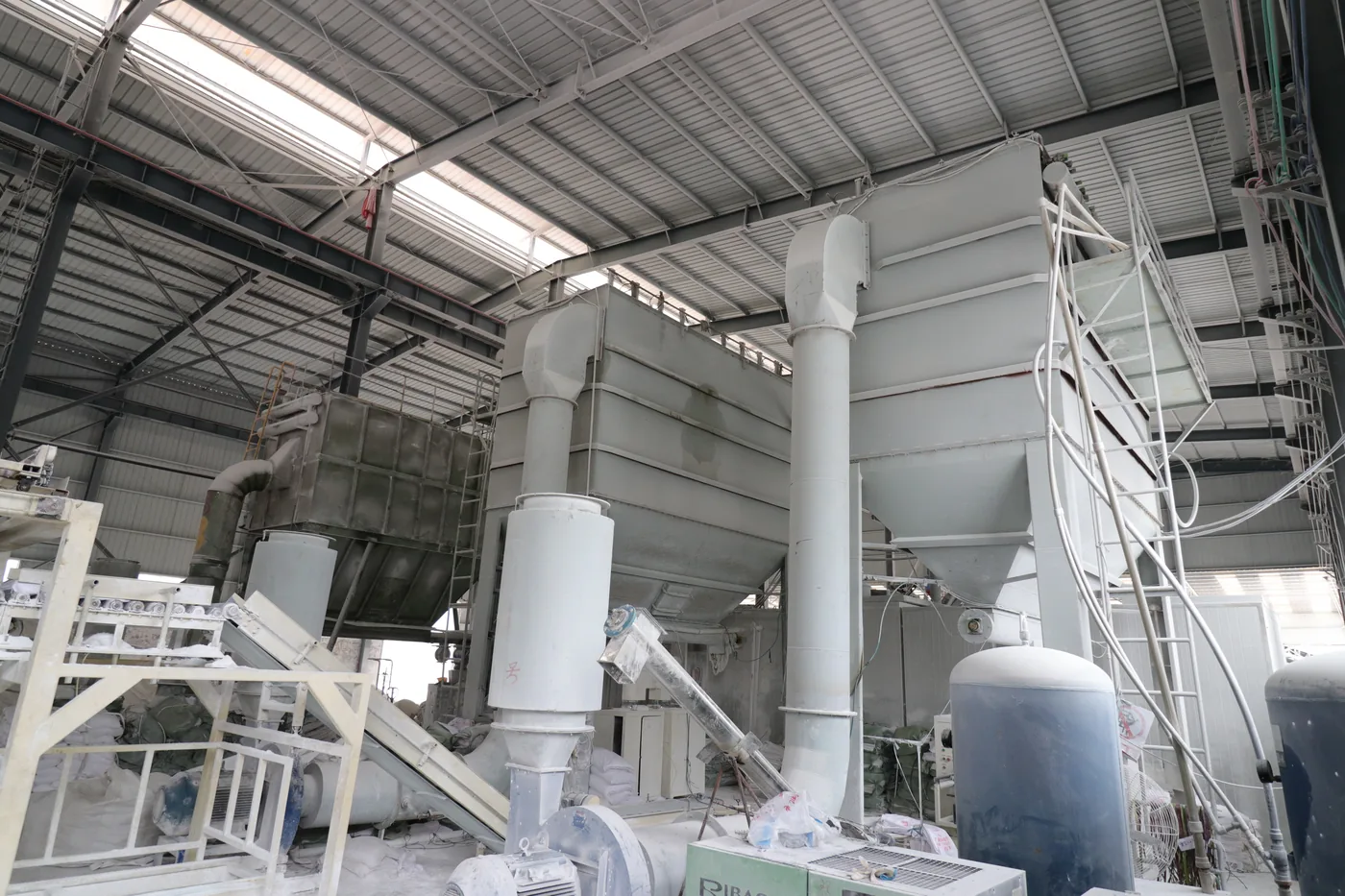
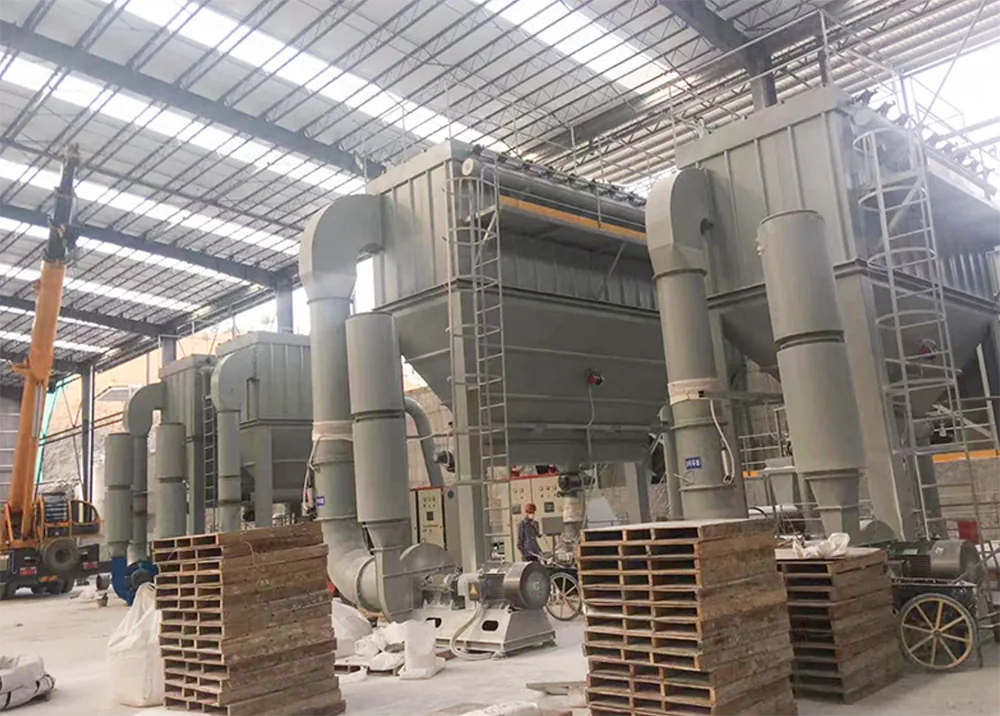
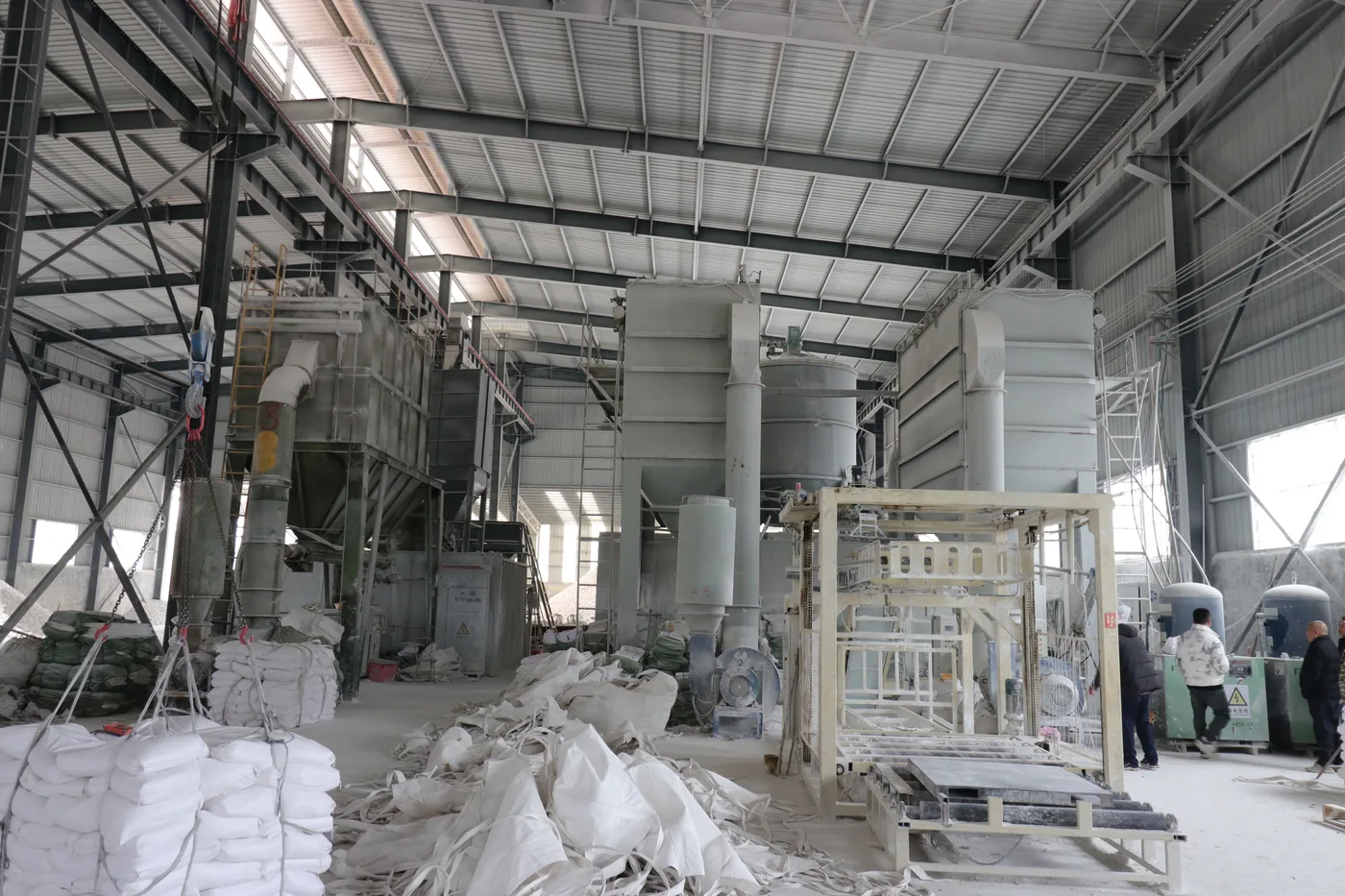
Main unit, classifier, cyclone, pulse collection and controlled feeding in a real plant.
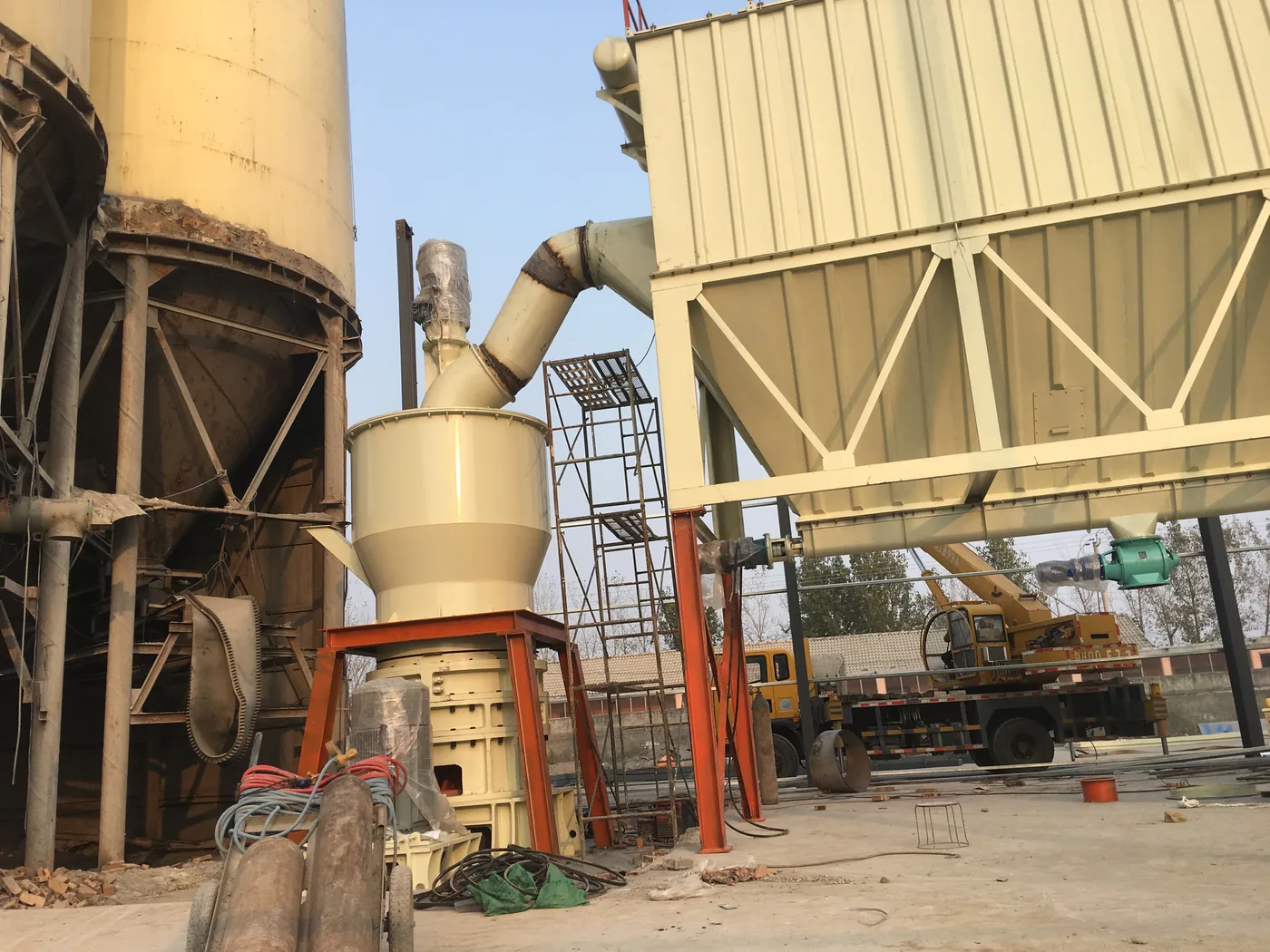
Equipment positioning, ducts, collection and controls coordinated around the site layout.
Customer visits
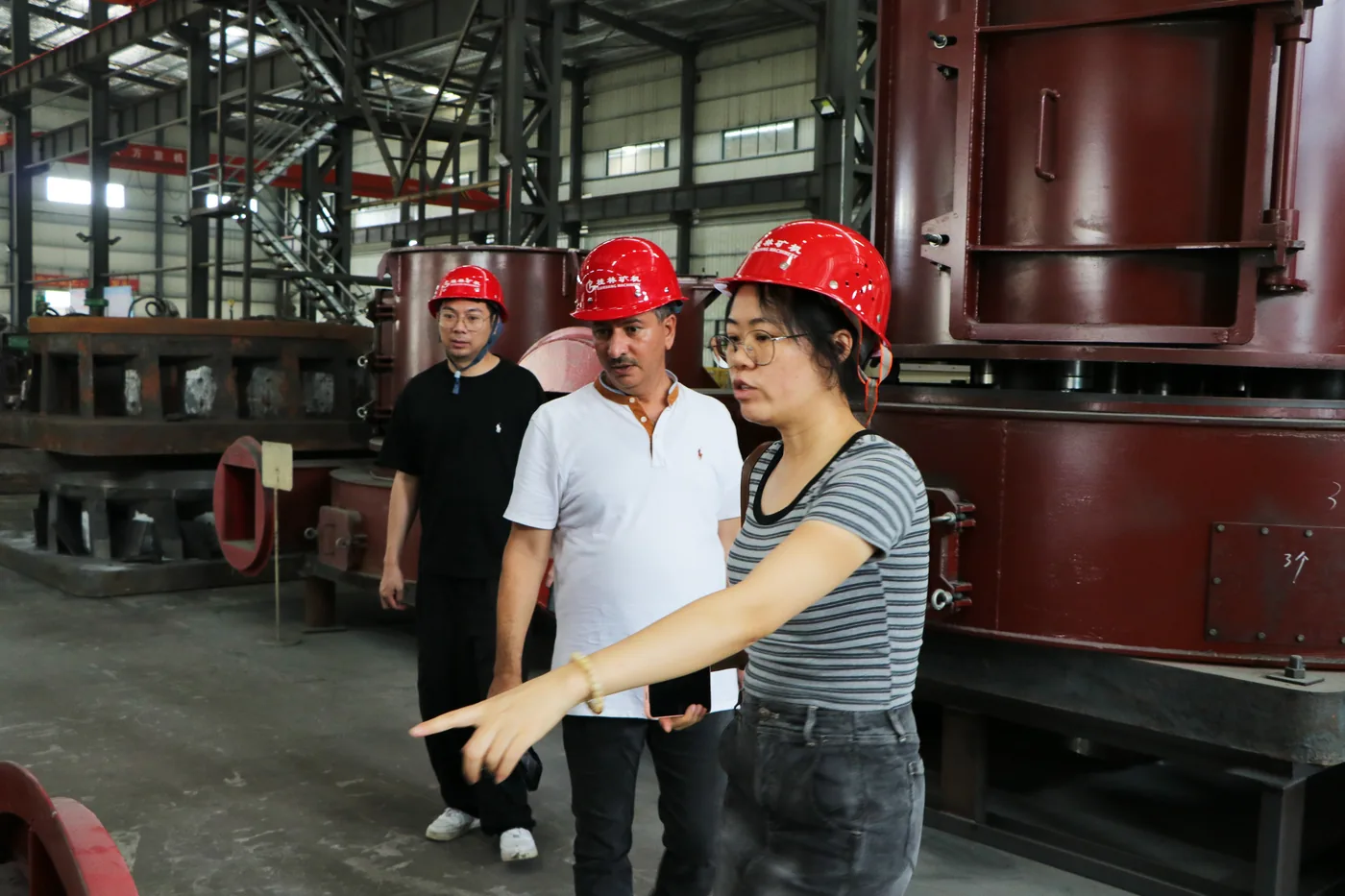
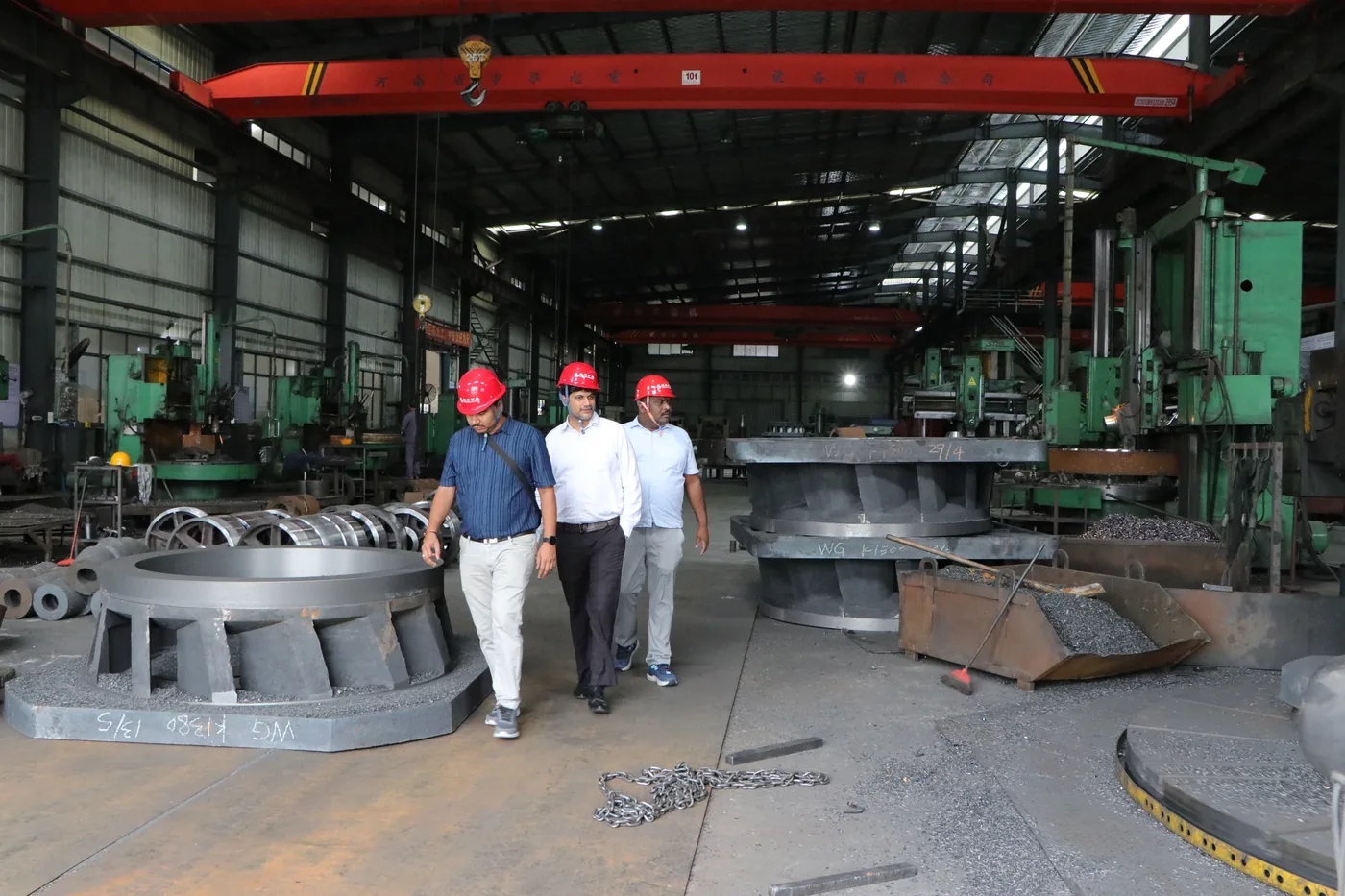
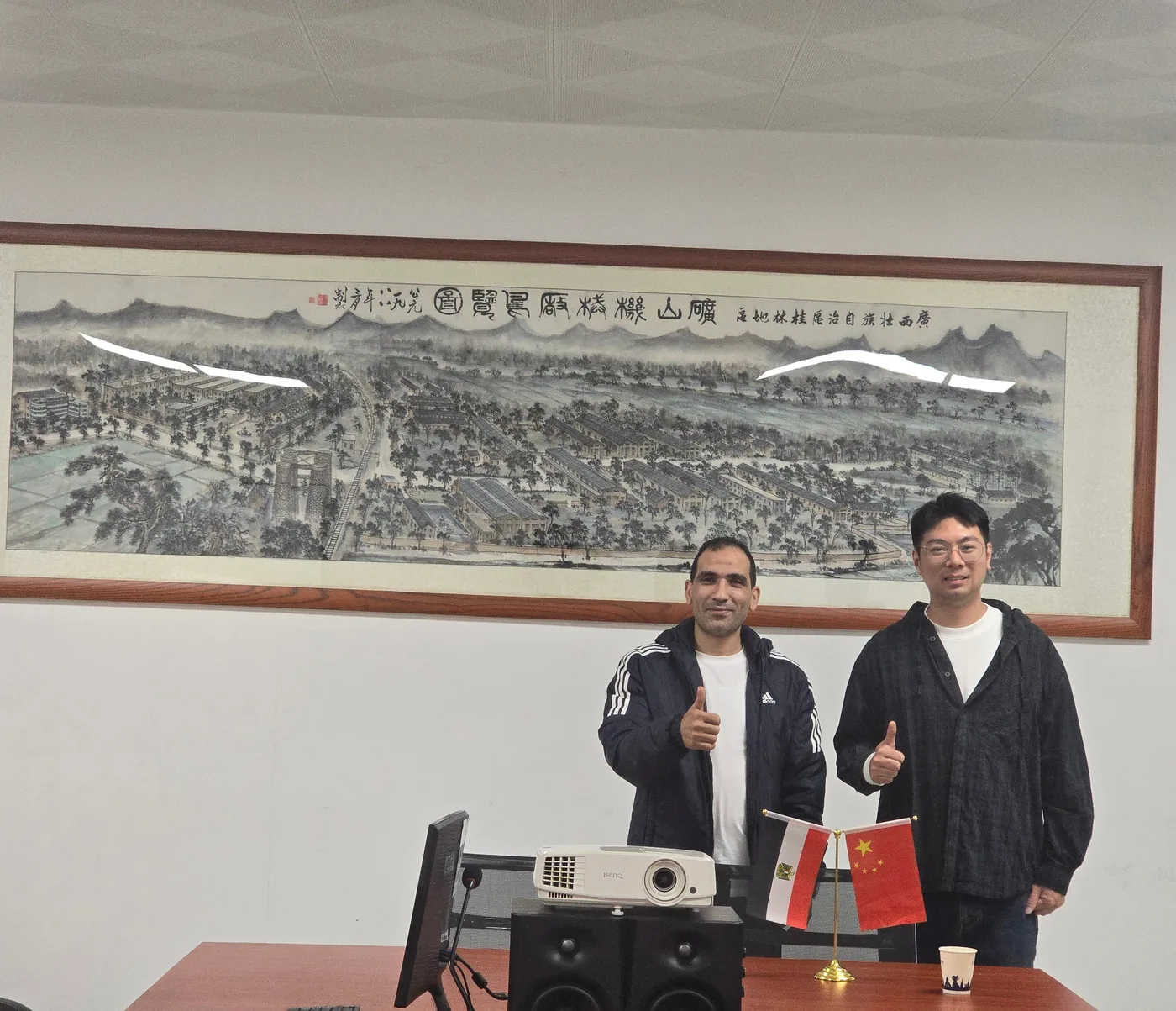
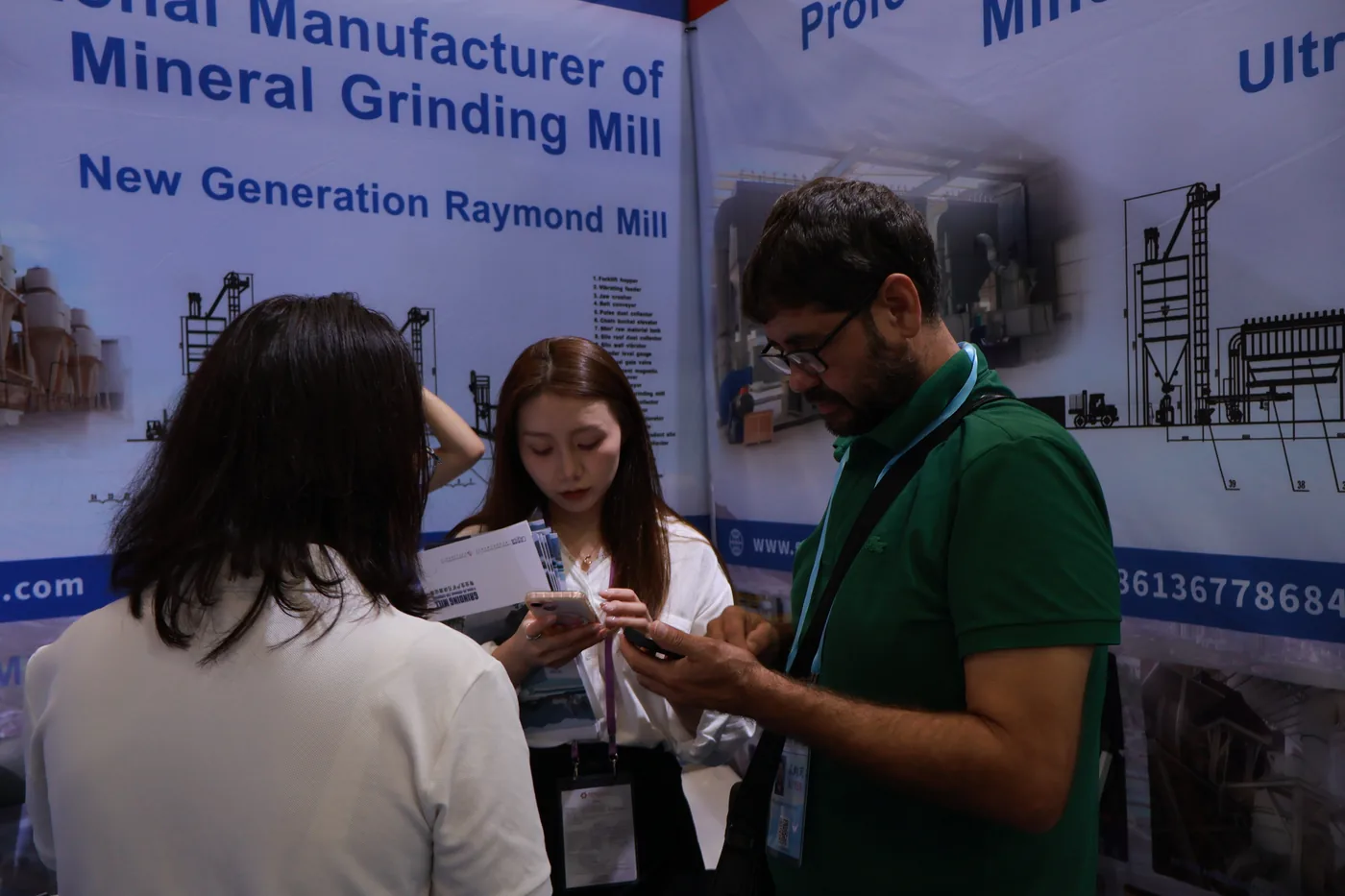
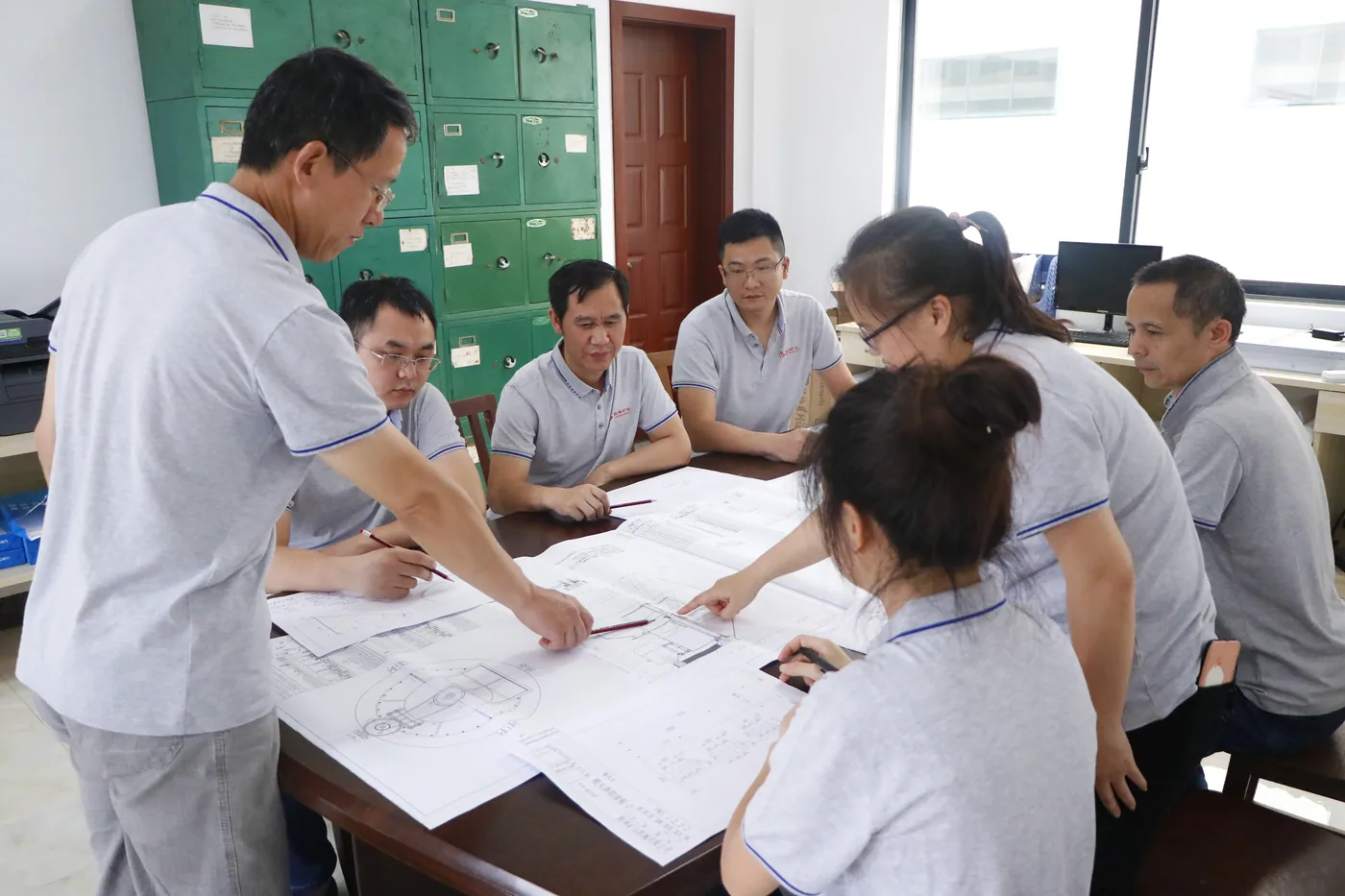
Factory visits let project teams inspect machining, assembly, wear parts, test capability and plant references before finalizing equipment scope.
Frequently asked questions
Use these answers as an initial engineering framework. Final selection still requires raw material and finished-product data.
CRGM uses multi-layer ring-roller grinding and a turbine classifier for ultrafine powder. A Raymond mill uses pendulum rollers and is optimized for conventional mineral powder with higher throughput.
It can be treated as a project target for suitable materials and configurations. The supplied standard catalog lists 5-74 microns, approximately 200-2500 mesh, so 3000 mesh requires sample testing and classifier confirmation.
Typical materials include calcite, marble, dolomite, barite, talc, gypsum, petroleum coke, brucite, kaolin, bentonite and other brittle materials generally below Mohs hardness 6.
Classifier speed, process airflow and feed rate are coordinated through variable-frequency control. Product changeovers may also require cleaning and operating parameter stabilization.
Under the agreed particle-size test method, 97% of measured particles are at or below 5 microns. It is more precise than describing the product only by mesh.
Capacity depends on mineral grindability, feed size, moisture, target D97, top-cut residue and circulation load. Catalog values are references and sample testing is recommended.
The standard CRGM circuit includes cyclone separation, pulse bag filtration, a blower, piping and a muffler, with project-specific discharge and enclosure options.
Grinding rollers, rings, classifier components, pins, filter bags and seals are typical service items. Wear life depends on abrasiveness and operating hours.
Yes, within the selected classifier and operating range. Very different grades require controlled changeovers and may benefit from separate product collection.
Provide material name, chemistry, hardness, moisture, feed size, target D97 or mesh, output, operating hours, voltage and project location.
Send hardness, moisture, feed size, target D97 and hourly output.