Integrated damping
Structural damping reduces vibration transmitted through the mill and foundation.
CRRM Series
A mature pendulum roller grinding process for dependable conventional powder output, scalable from compact systems to high-throughput lines.
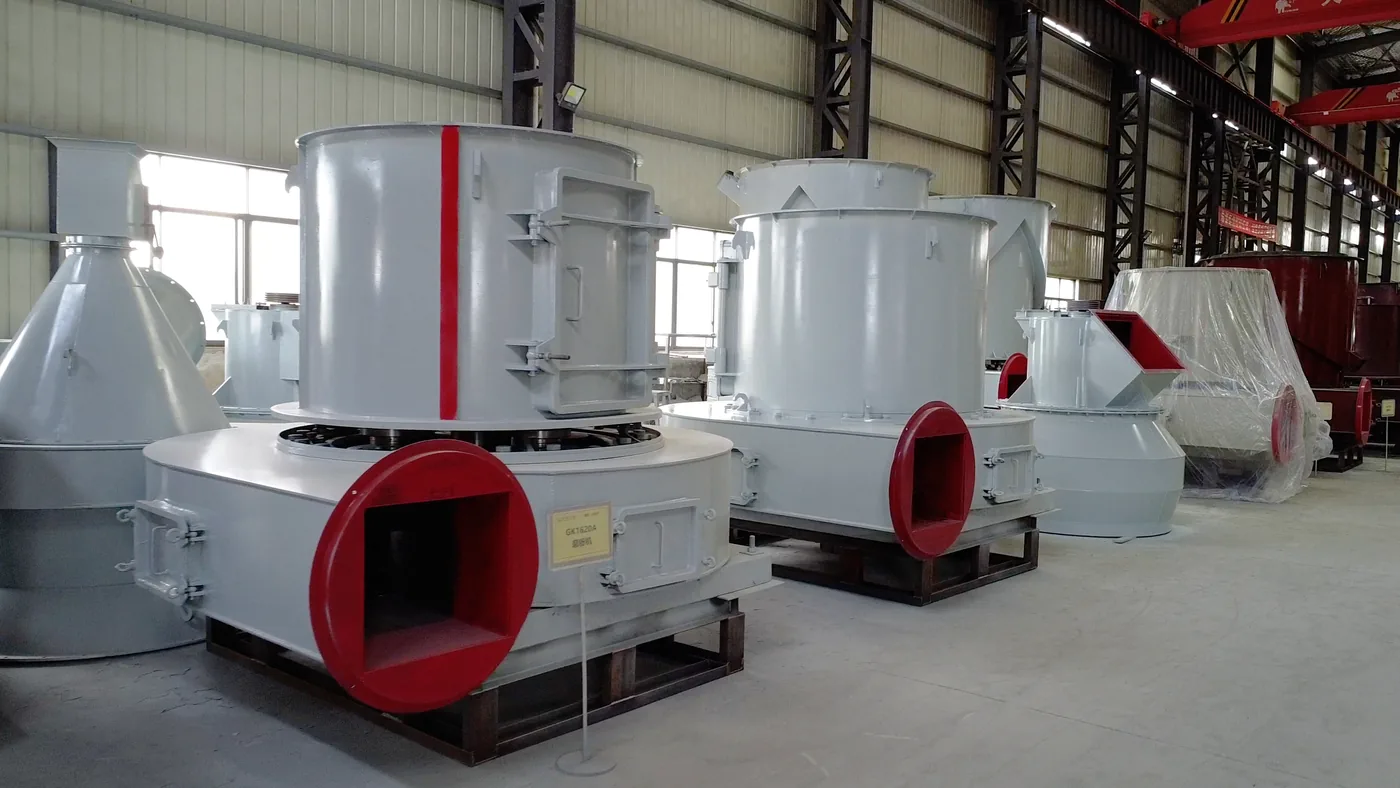
CRRM overview
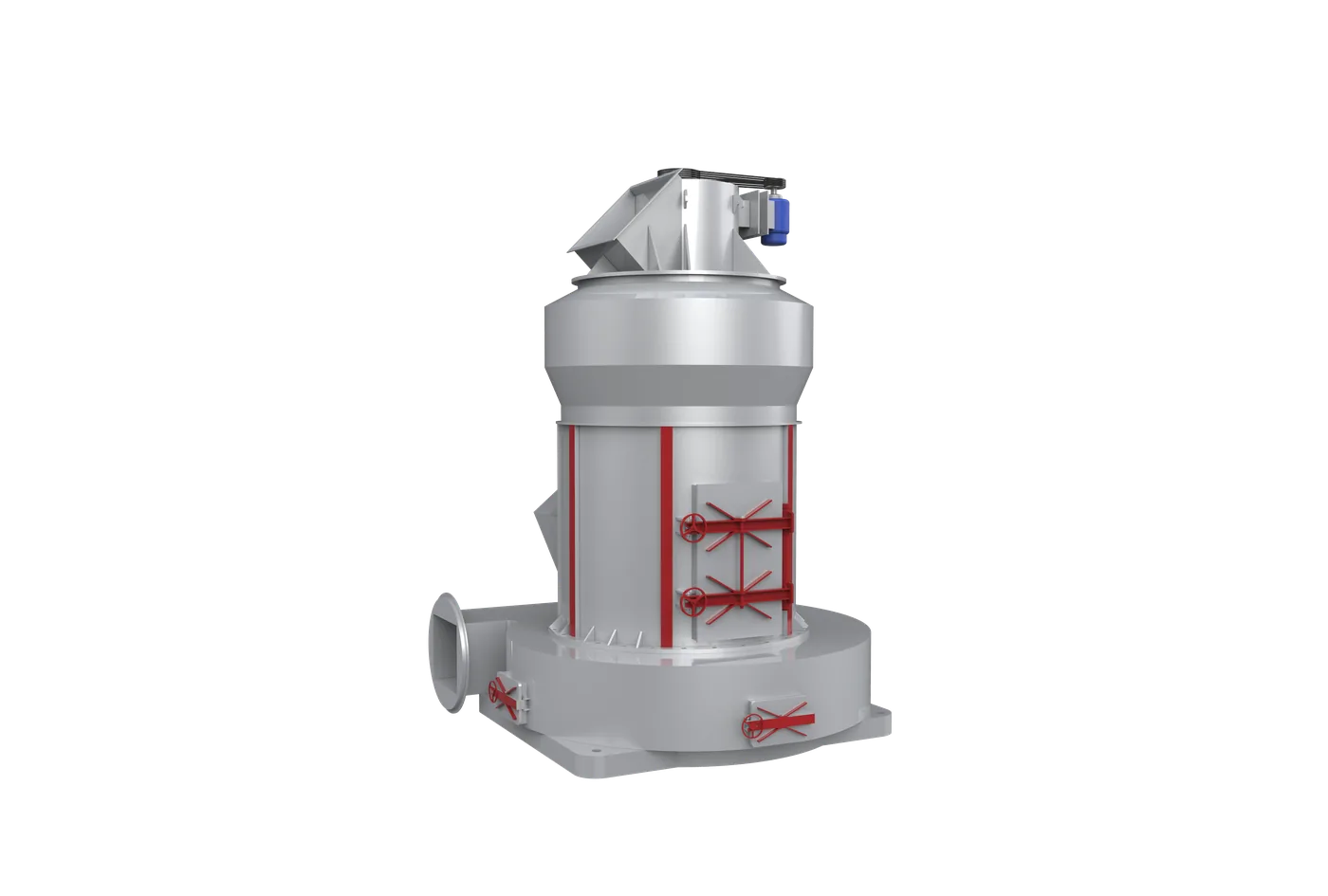
CRRM combines the main unit, classifier, blower, piping, pulse dust collector and electrical controls. It is used for non-flammable, non-explosive minerals below Mohs hardness 9.3 and generally below 6% moisture.
Working principle
Main shaft driveThe gearbox rotates the center shaft and wobbler spindle, carrying suspended roller assemblies.
Roller-ring compressionBlades lift feed into the roller-ring gap for repeated compression and shearing.
Air separationAir carries powder upward; coarse particles return and qualified powder passes the classifier.
Powder recoveryCyclone and dust collection recover product while the blower balances airflow.
 CRONUS
Performance advantages
Structural damping reduces vibration transmitted through the mill and foundation.
Roller, ring and internal structure support effective material-bed formation.
A robust transmission improves stability under continuous loading.
Electric or pneumatic fan-valve options help balance classification.
Inspection points and integrated fan arrangement simplify routine service.
Operating feedback and alarms standardize start-up and production monitoring.
Technical parameters
| Model | Rollers | Max feed | Published size | Capacity | Main unit | Classifier | Blower |
|---|---|---|---|---|---|---|---|
| CRRM1280 | 3 | 20 mm | 80-400 mesh | 2-10 t/h | 55 kW | 15 kW | 55 kW |
| CRRM1620A | 4 | 30 mm | 80-325 mesh | 3-15 t/h | 160 kW | 30 kW | 132 kW |
| CRRM1850 | 4 | 30 mm | 80-325 mesh | 4.5-20 t/h | 185 kW | 37 kW | 200 kW |
| CRRM2500 | 4 | 35 mm | 80-325 mesh | 8-28 t/h | 315 kW | 45 kW | 355 kW |
The 40-400 mesh project window includes configurations beyond the representative rows. Confirm classifier and fineness during selection.
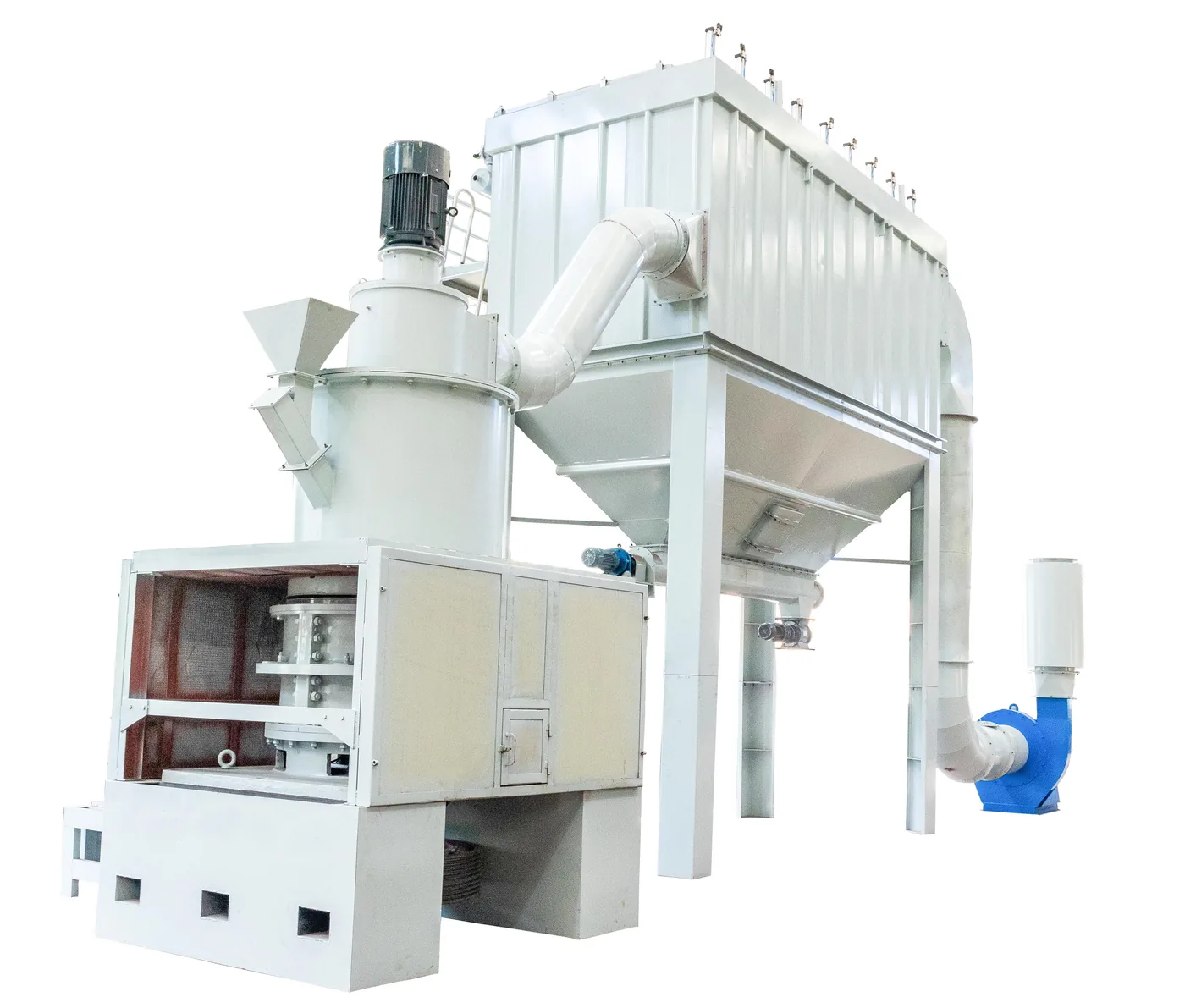
Mill selection comparison
For 40-400 mesh products, throughput, process simplicity and useful installed power matter more than ultrafine capability the market does not need.
Applications
CRRM serves building materials, chemicals, metallurgy, mining, ceramics, refractory, power, coal and general mineral filler production.
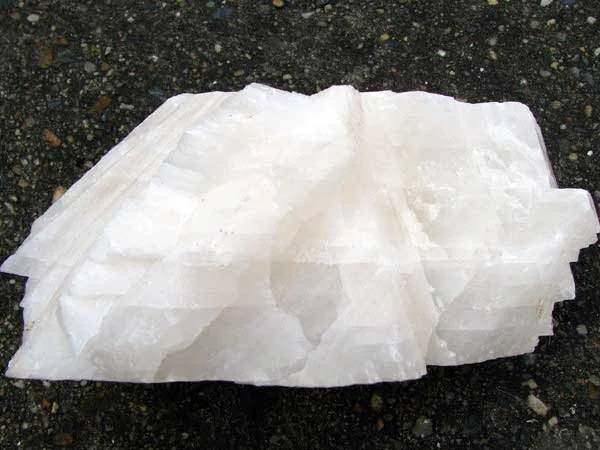
Coatings, plastic, rubber, paper and artificial marble fillers.
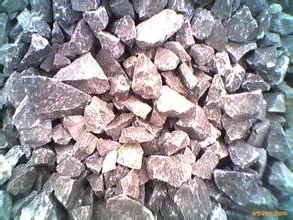
Building materials, desulfurization and general mineral filler.
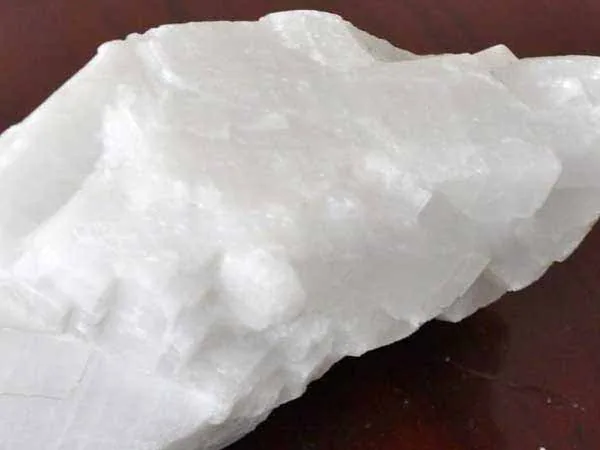
Glass, ceramics, metallurgy and construction fillers.
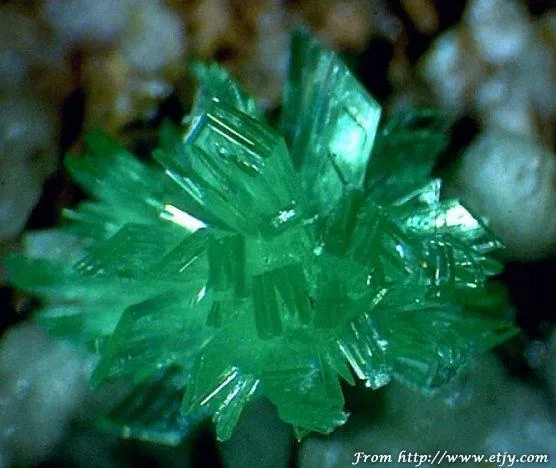
Drilling, high-density filler and coating applications.
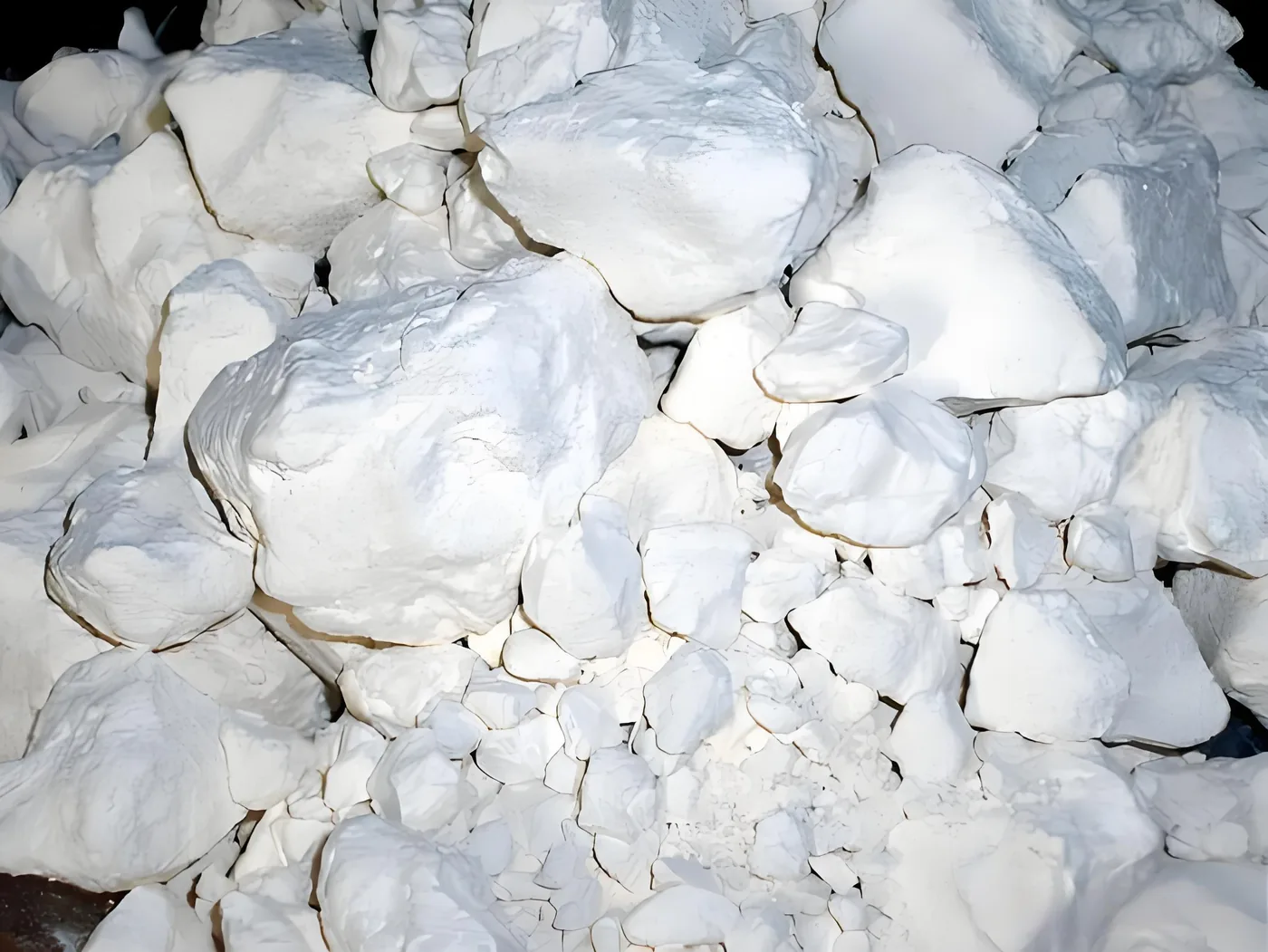
Ceramics, paper coating, rubber and paint.
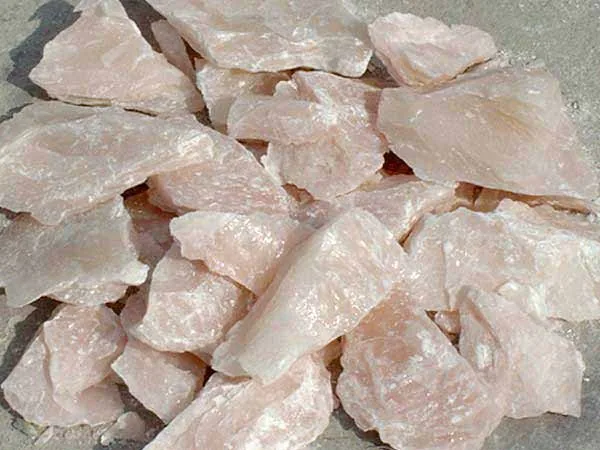
Plastic, coating, ceramic and cosmetic fillers.
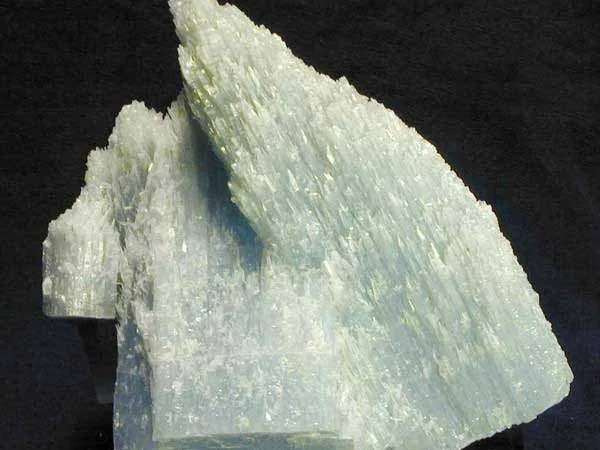
Wallboard, plaster, cement and industrial powder.
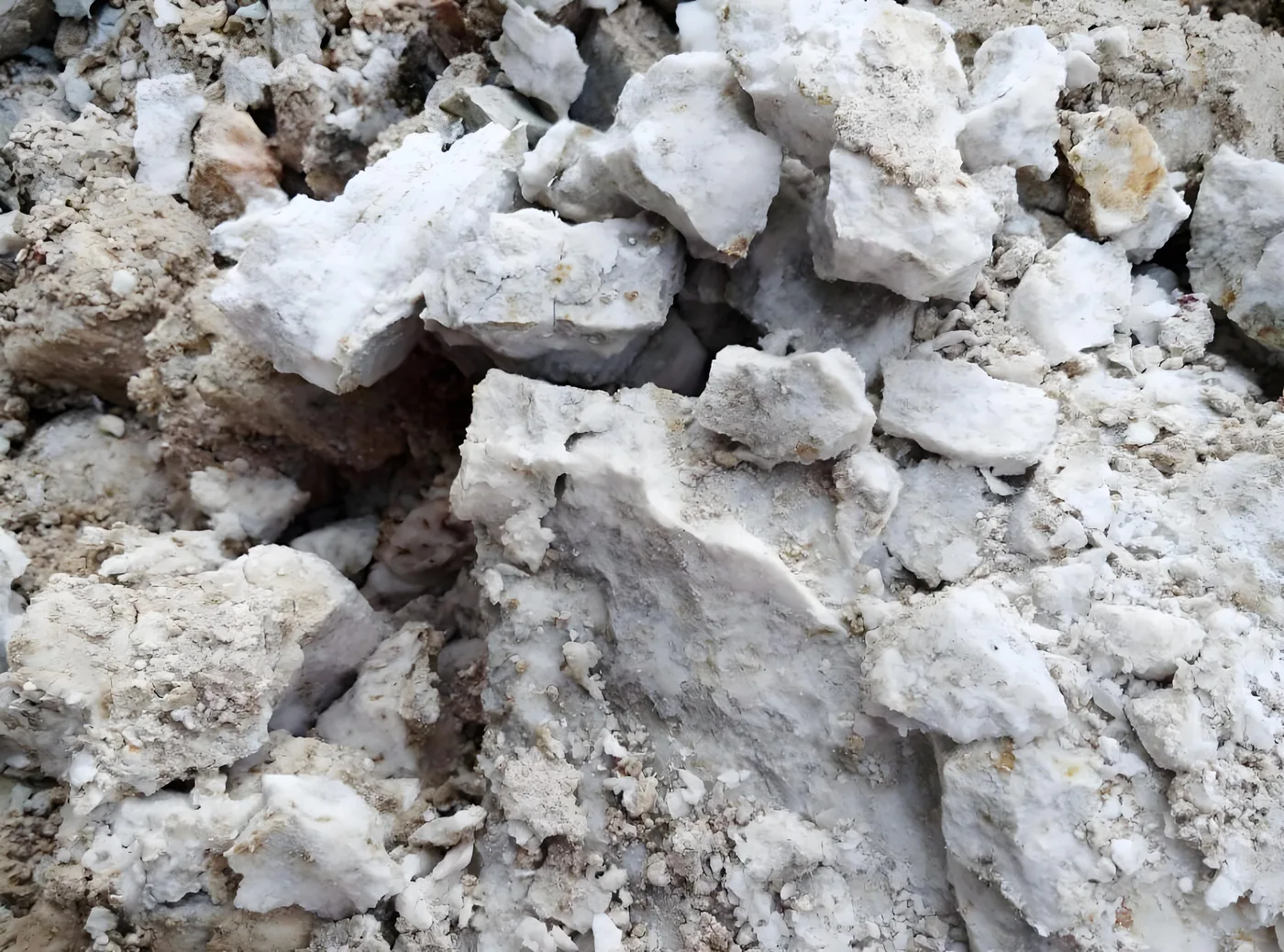
Foundry, drilling, pelletizing and absorbent products.
Cases and customer sites
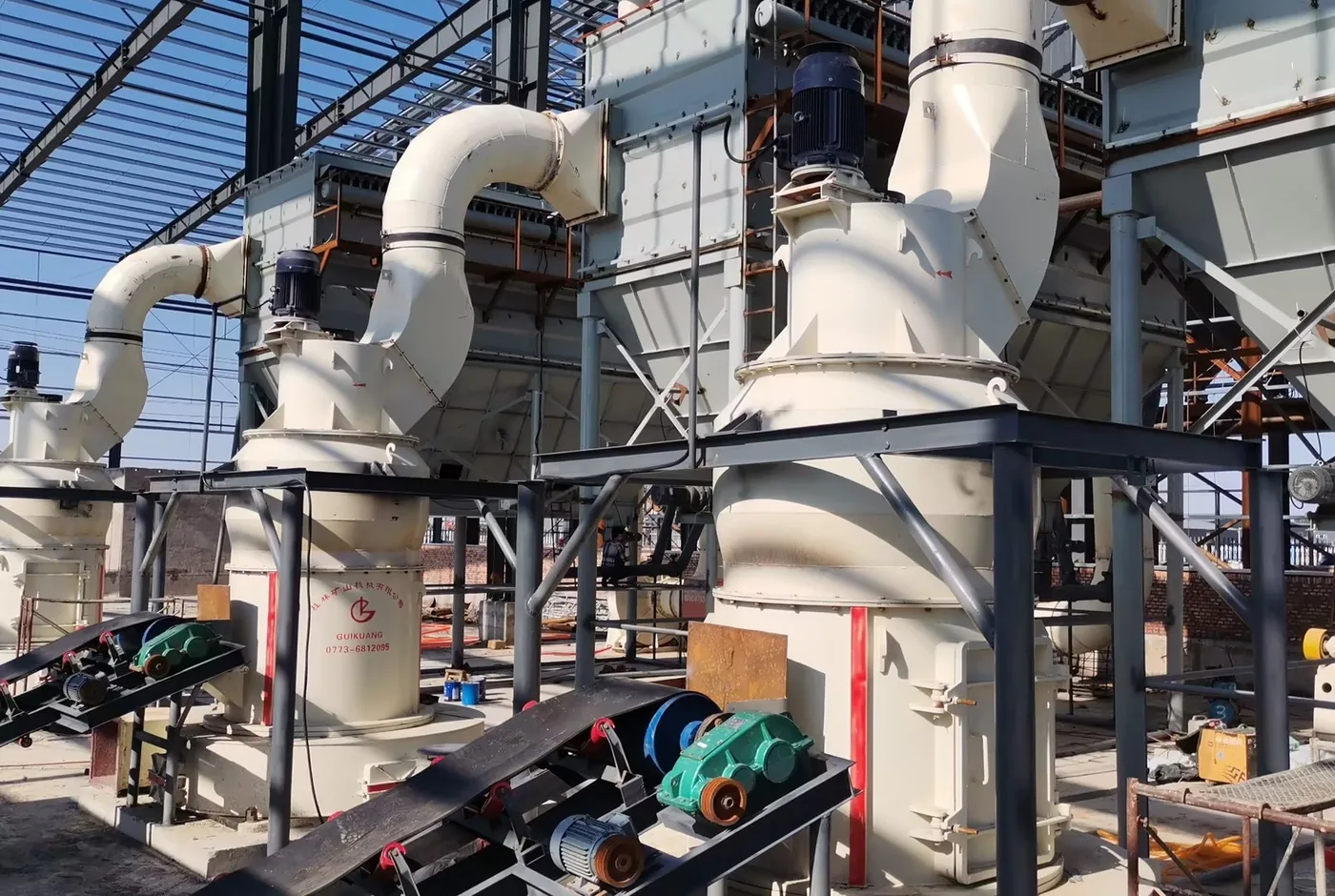
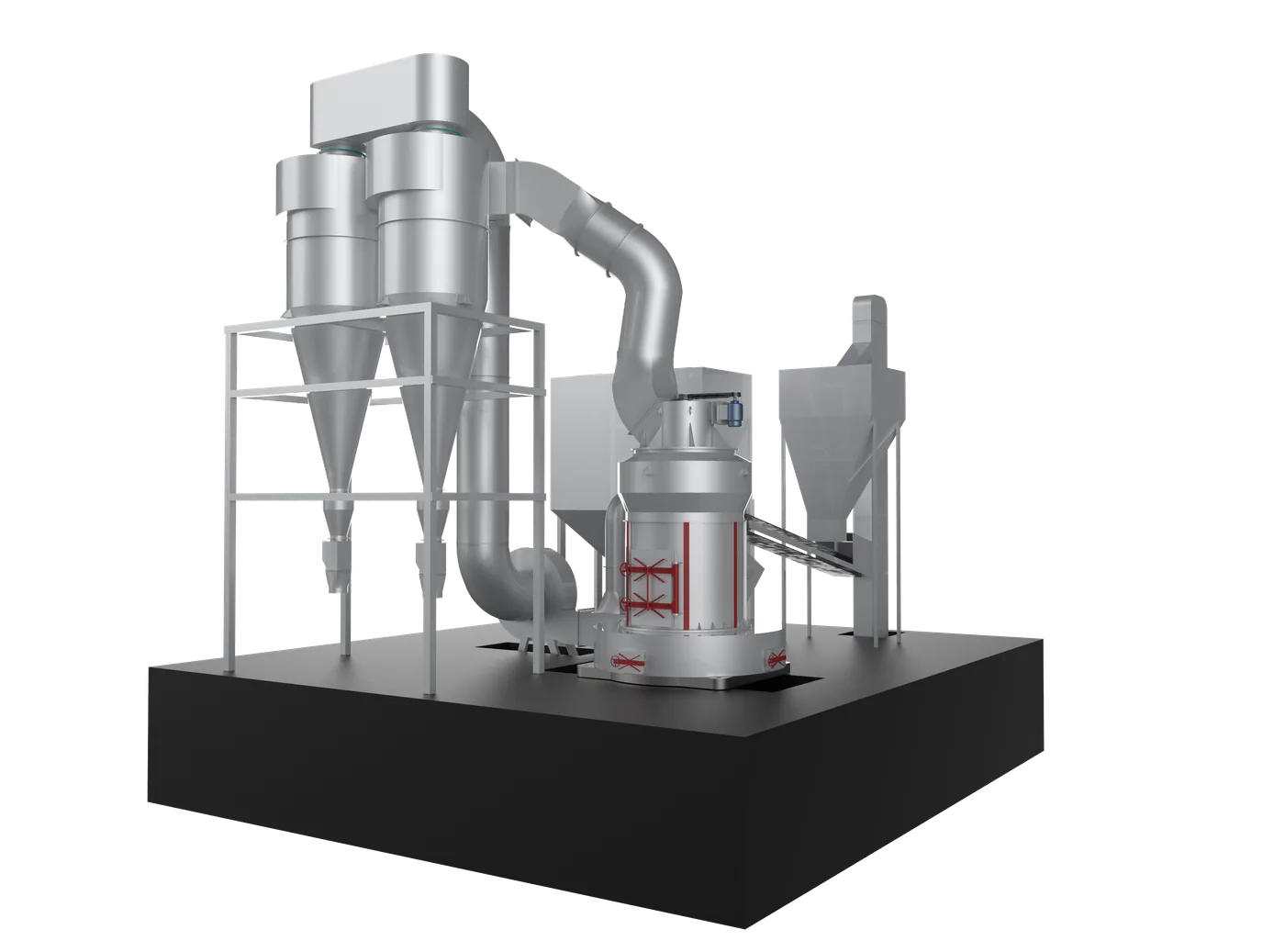
A multi-line project demonstrating scalable production and practical plant layout.
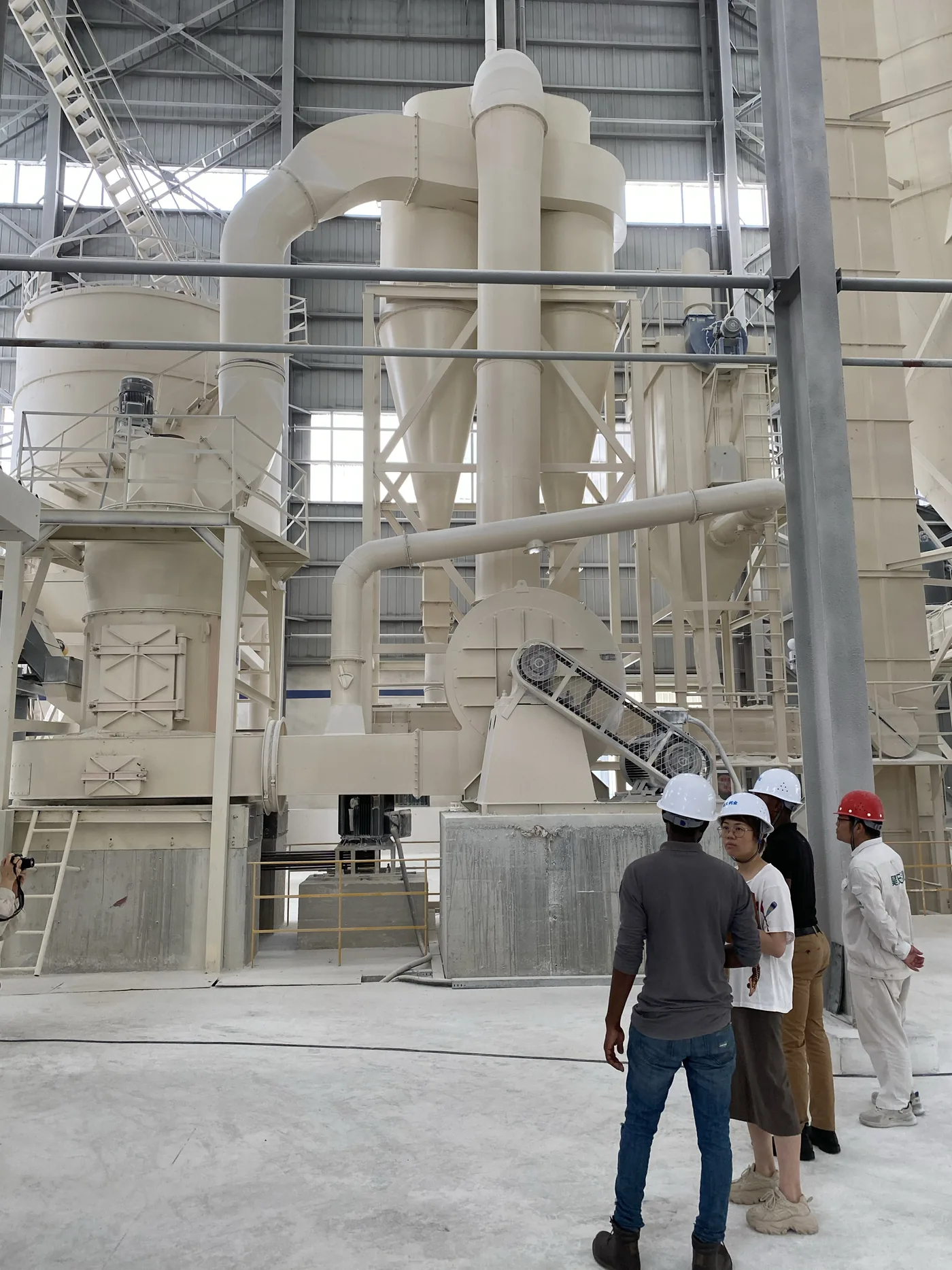
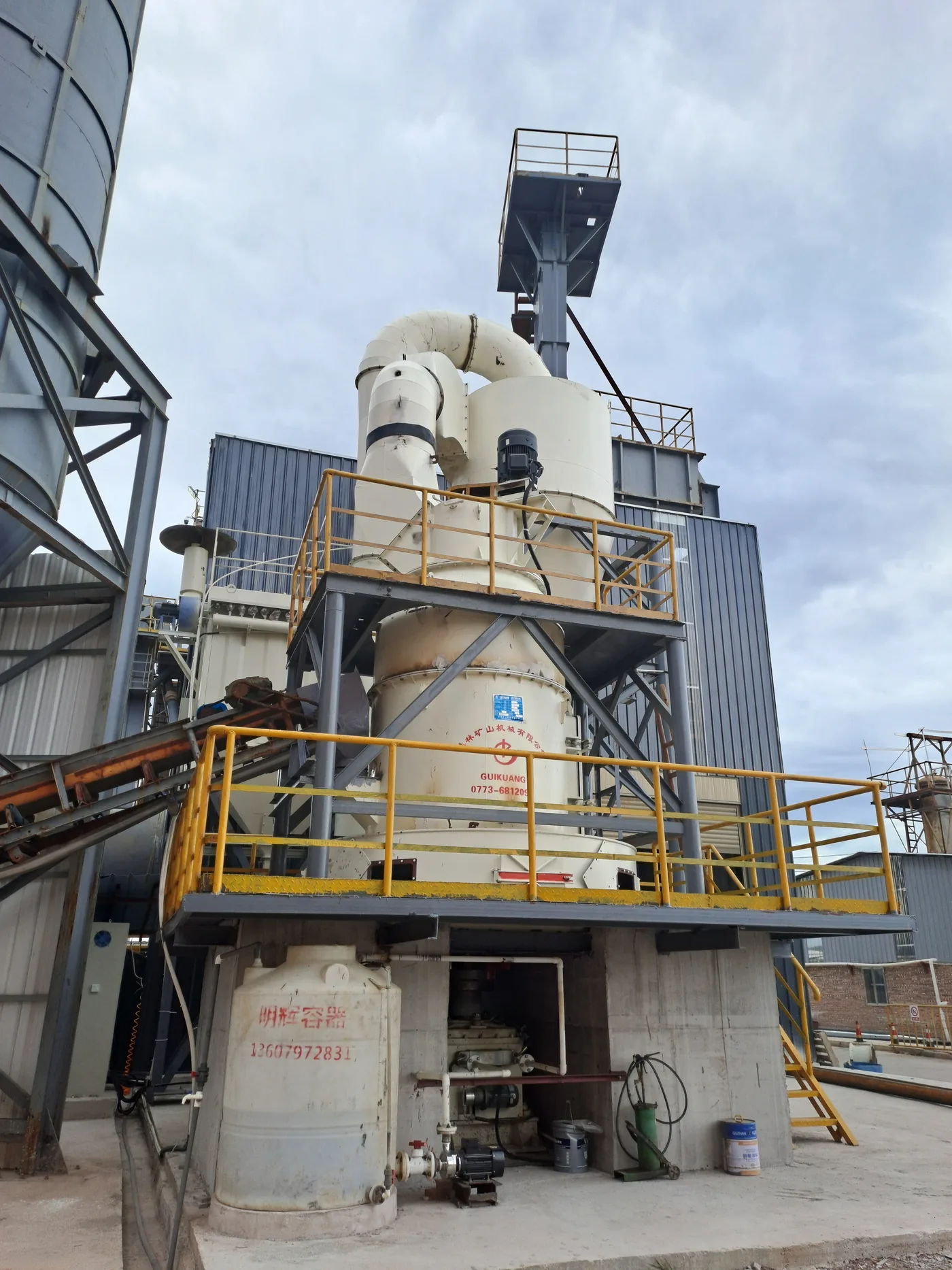
Main unit, classifier, conveying, collection and airflow integrated for continuous operation.
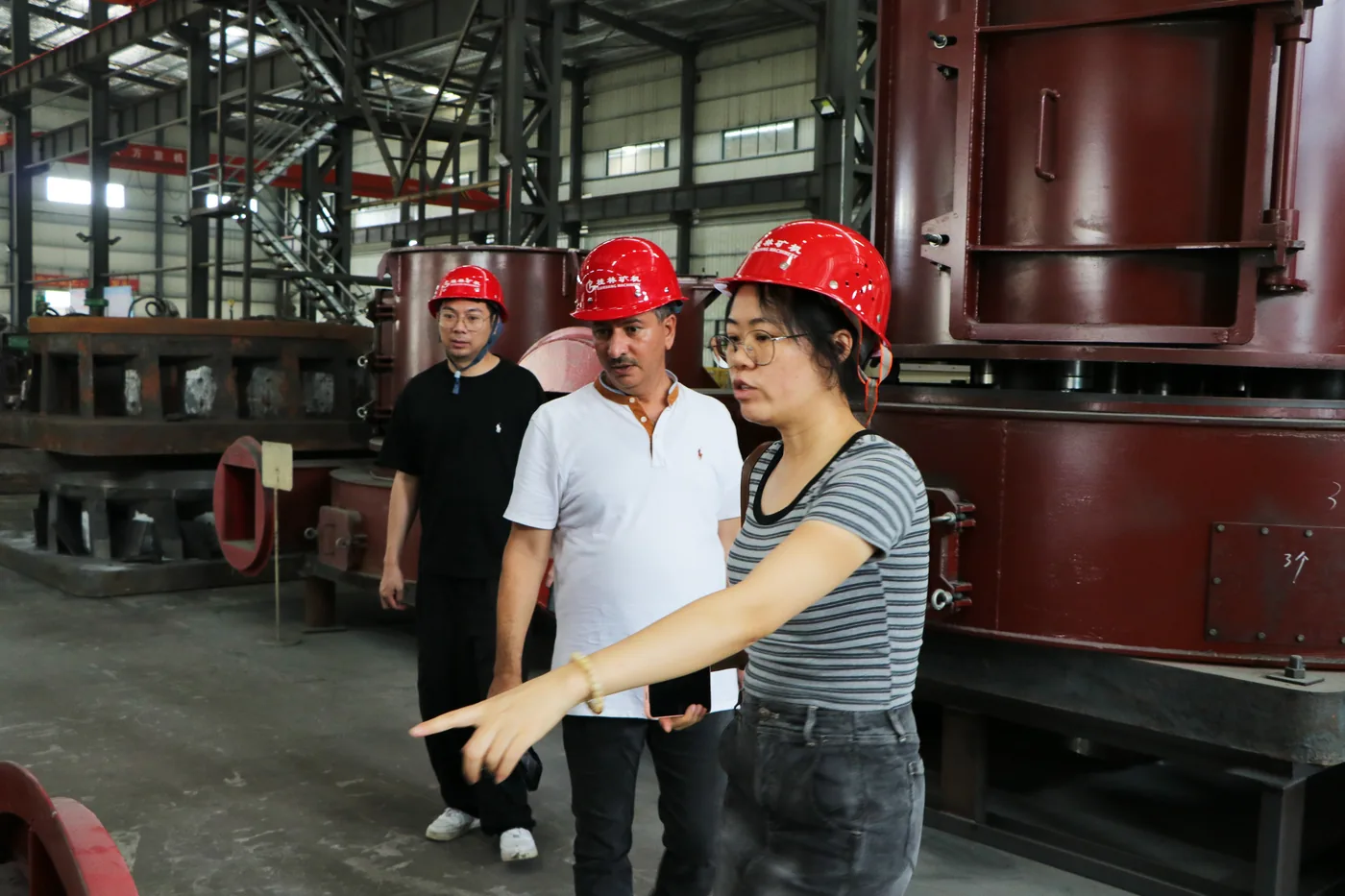
Customer visits
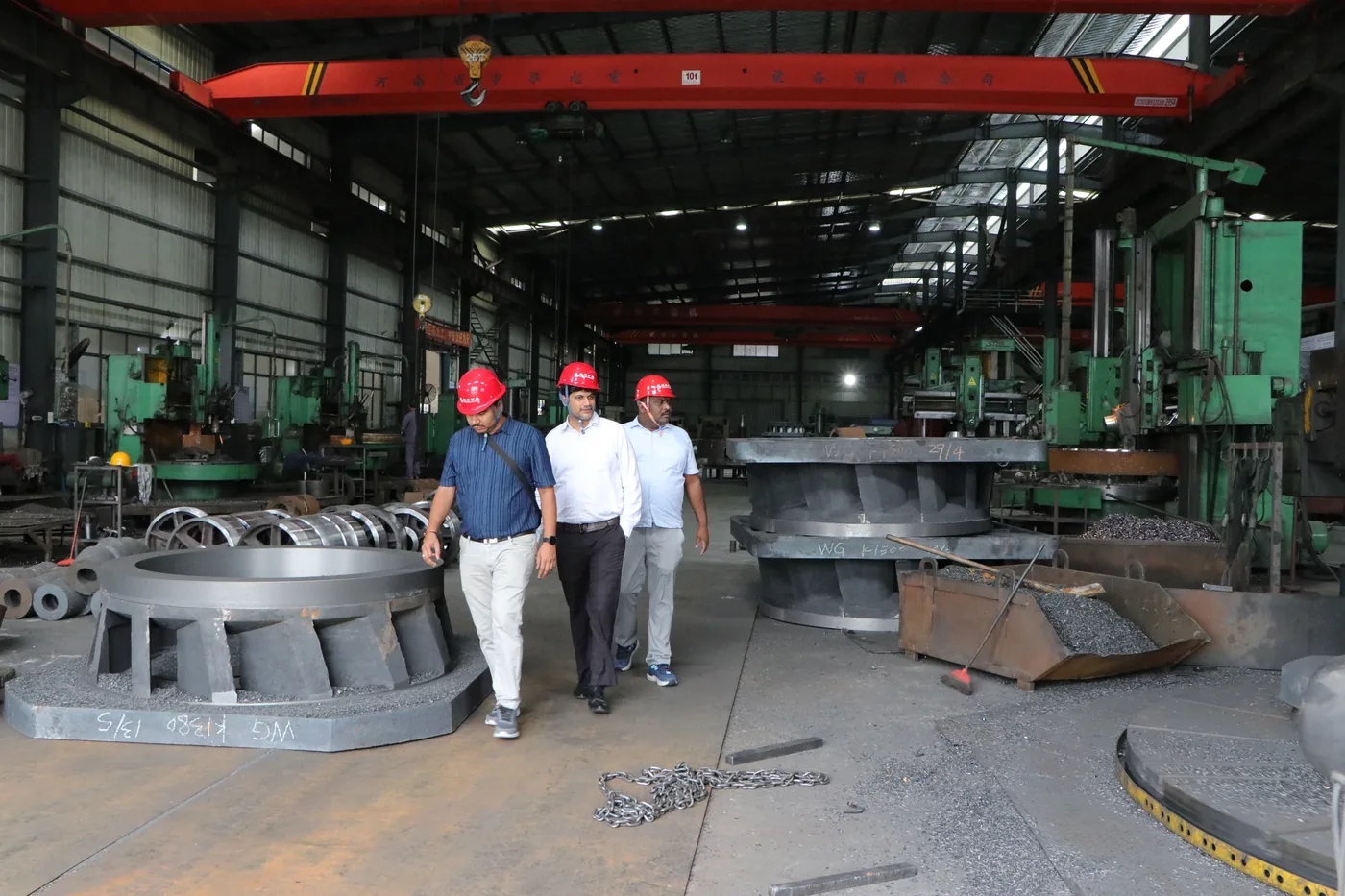
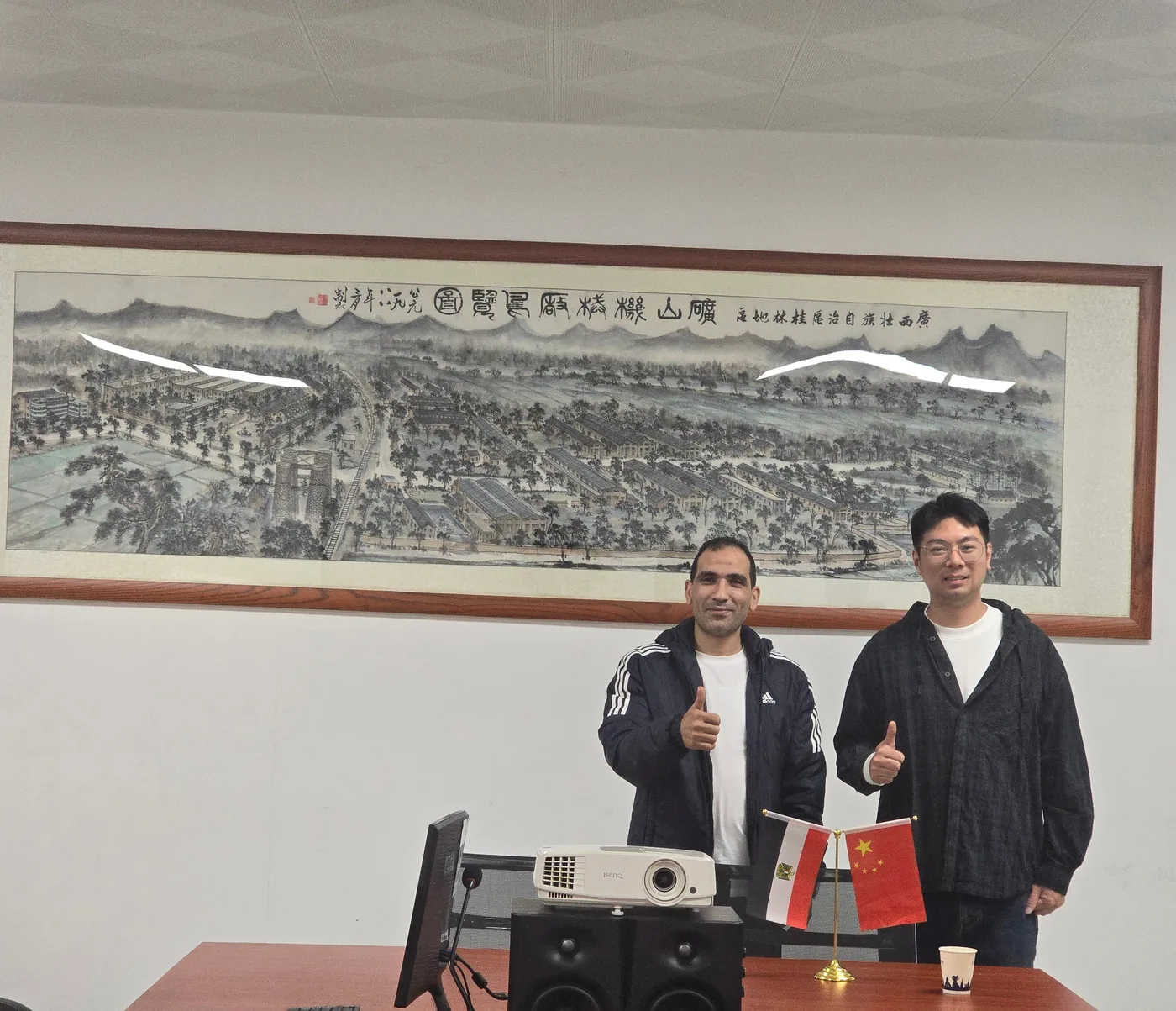
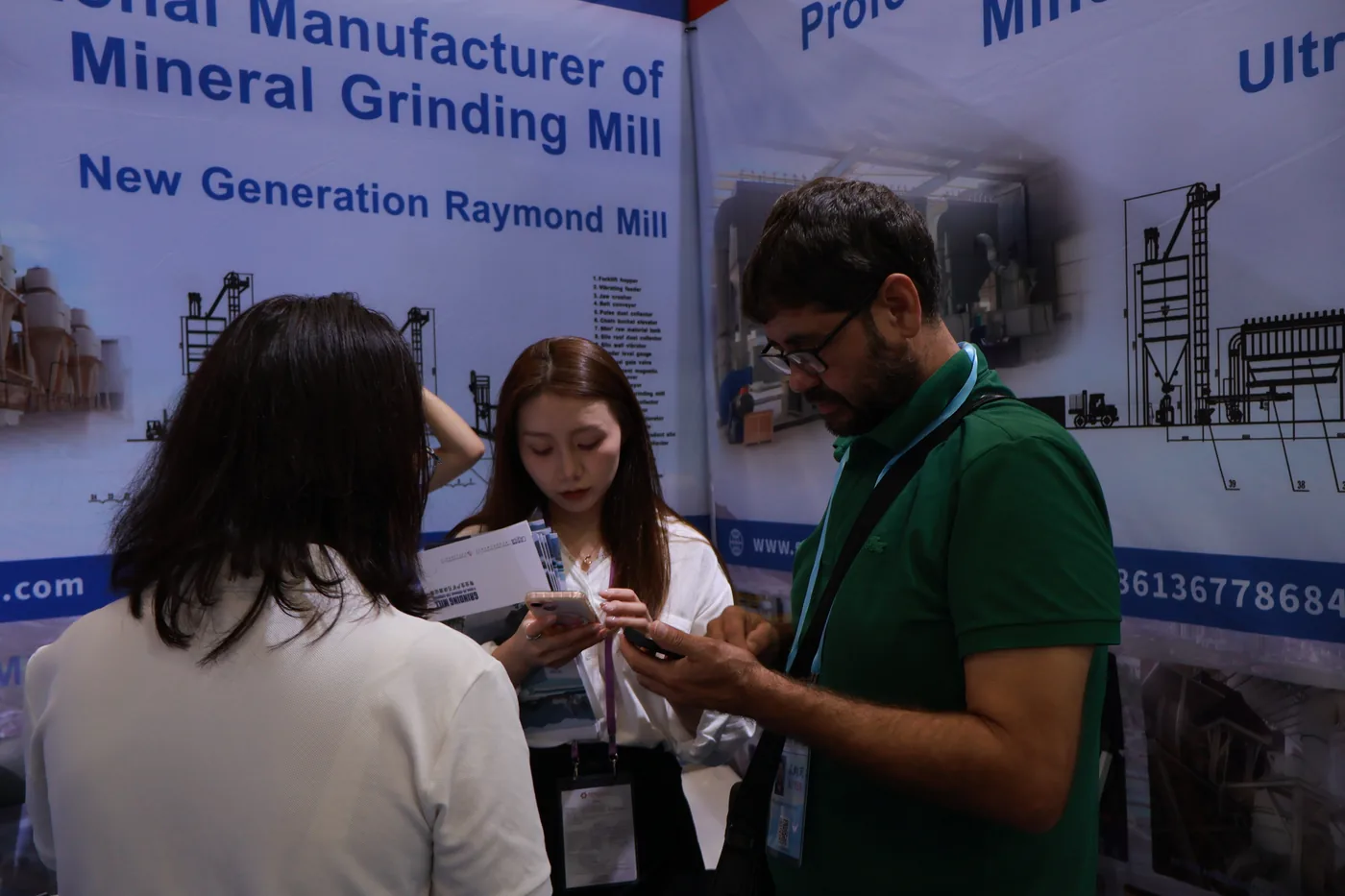
Factory visits let project teams inspect machining, assembly, wear parts, test capability and plant references before finalizing equipment scope.
Frequently asked questions
Use these answers as an initial engineering framework. Final selection still requires raw material and finished-product data.
Typical projects target 40-400 mesh. Published CRRM catalog models are generally specified for 80-400 mesh or 80-325 mesh depending on model.
Yes. Calcite, limestone, dolomite and marble are common calcium carbonate raw materials for Raymond grinding lines.
Published CRRM models accept approximately 20-35 mm feed depending on model. Larger raw material requires upstream crushing.
The catalog describes non-flammable, non-explosive minerals below Mohs hardness 9.3 and generally below 6% moisture, subject to application review.
Classifier speed, airflow, feed rate, roller-ring condition and system pressure must be balanced to maintain fineness and output.
Material grindability, feed size, moisture, target fineness, circulation and airflow all affect output. Catalog capacity is based on stated reference material.
Grinding rollers, grinding ring, blades, classifier components, seals, filters and lubrication parts require planned inspection and replacement.
Yes. A line can include crusher, elevator, silo, feeder, CRRM main unit, classifier, blower, cyclone, pulse filter, conveying and electrical controls.
For conventional 40-400 mesh products, CRRM often provides a simpler process and higher throughput without paying for ultrafine classification that the market does not require.
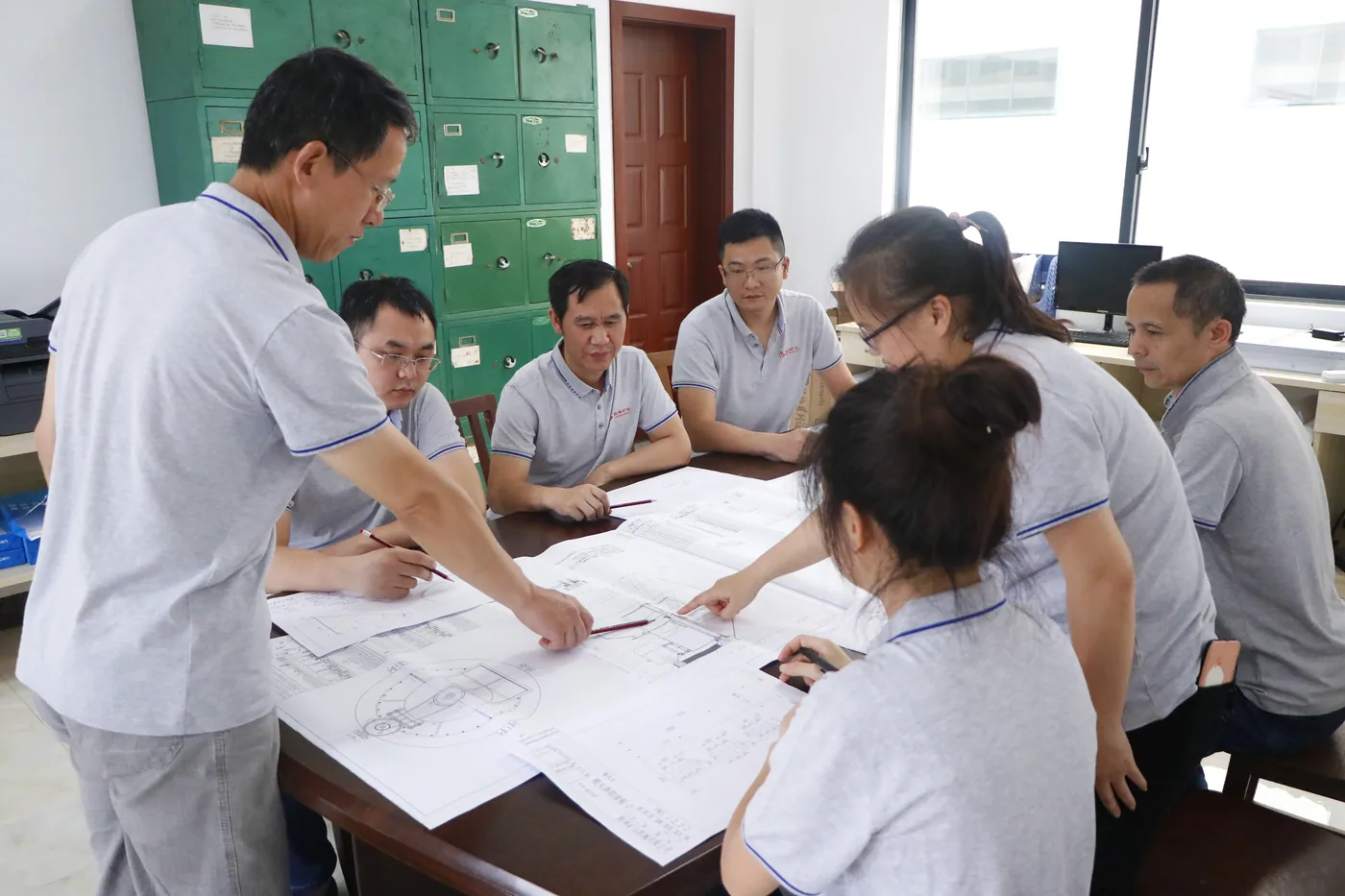
CRONUS can provide process design, layout guidance, installation support, commissioning coordination, training and spare-parts service according to the agreed scope.
Send material, feed size, target mesh and required tons per hour.